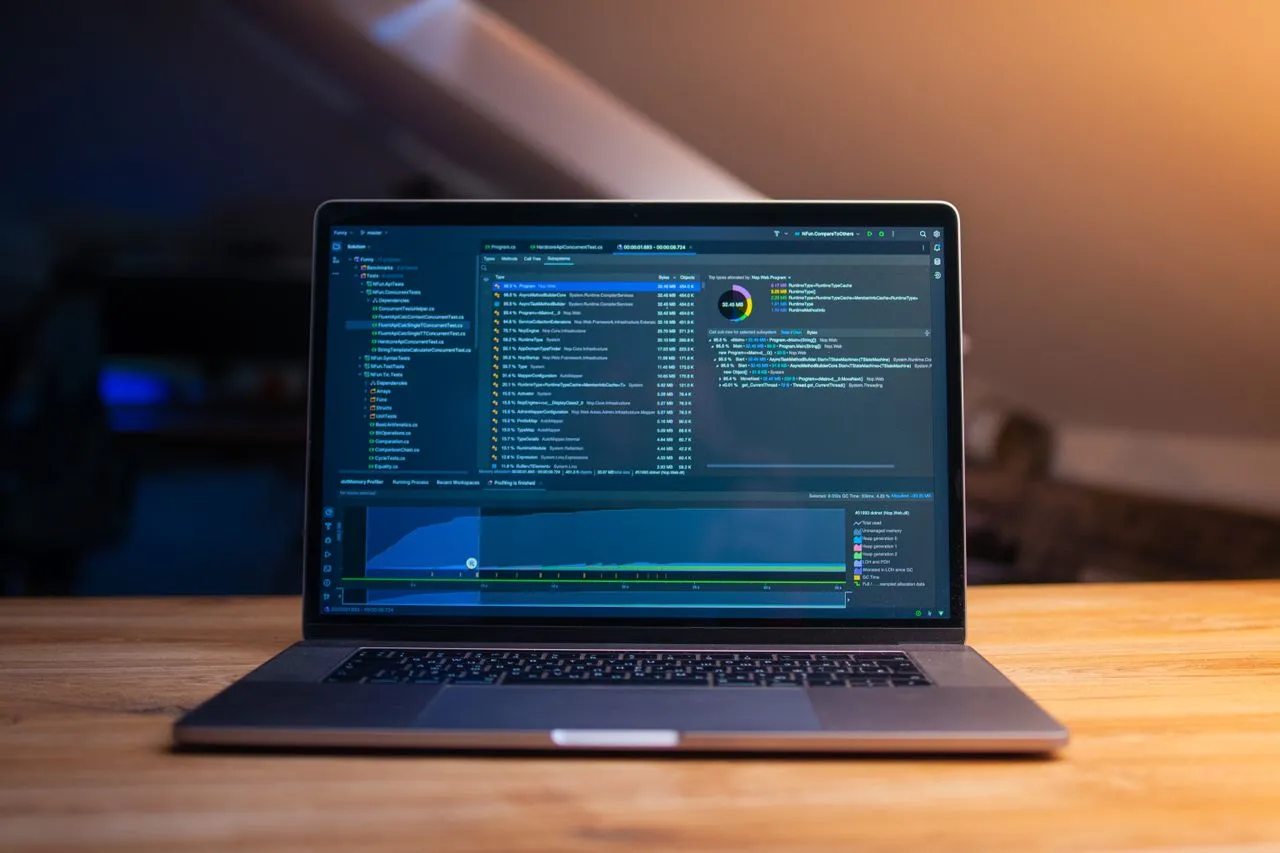
Vuốt tắt app nền có giúp tiết kiệm pin iPhone không?
Vuốt tắt app trong màn hình đa nhiệm không tiết kiệm pin, thậm chí còn hơi hại. Đây là nguyên nhân thật sự tốn pin và ba việc nên làm thay vào đó.
27 thg 10, 20263 phút đọc
Retell uses OpenAI models to help power 100M monthly calls
Agentic AI Orchestration Framework for Spatial Intelligence: Supply Chain Deployment
How Much Information Can We Fit inside a Transformer?
CaliMem: Search-Efficient Data Agent via Calibrated Memory
n8n AI agent memory per user that survives restarts
Guidewire acquires Hyperexponential for $1,7 billion
I built an AI code editor where you pick the model
An agentic IDE lost agent logs: what Warp's vendor breach says about trace retention

MCP server của GitHub nạp khoảng 55.000 token trước câu hỏi đầu tiên. Một bài rebuild đo lại: 15 tool xuống 4, bảy lời gọi xuống hai, mô tả giảm 88%.

Nhận dạng giọng nói chạy local không có nghĩa là cả workflow dictation chạy local. Đây là quy trình kiểm tra từng chặng trên Mac trước khi đọc dữ liệu nhạy cảm.

User agent chỉ là một chuỗi text. Cách đối chiếu IP crawler với dải IP chính chủ bằng script Python stdlib, và ba loại dòng log cần sửa trước.
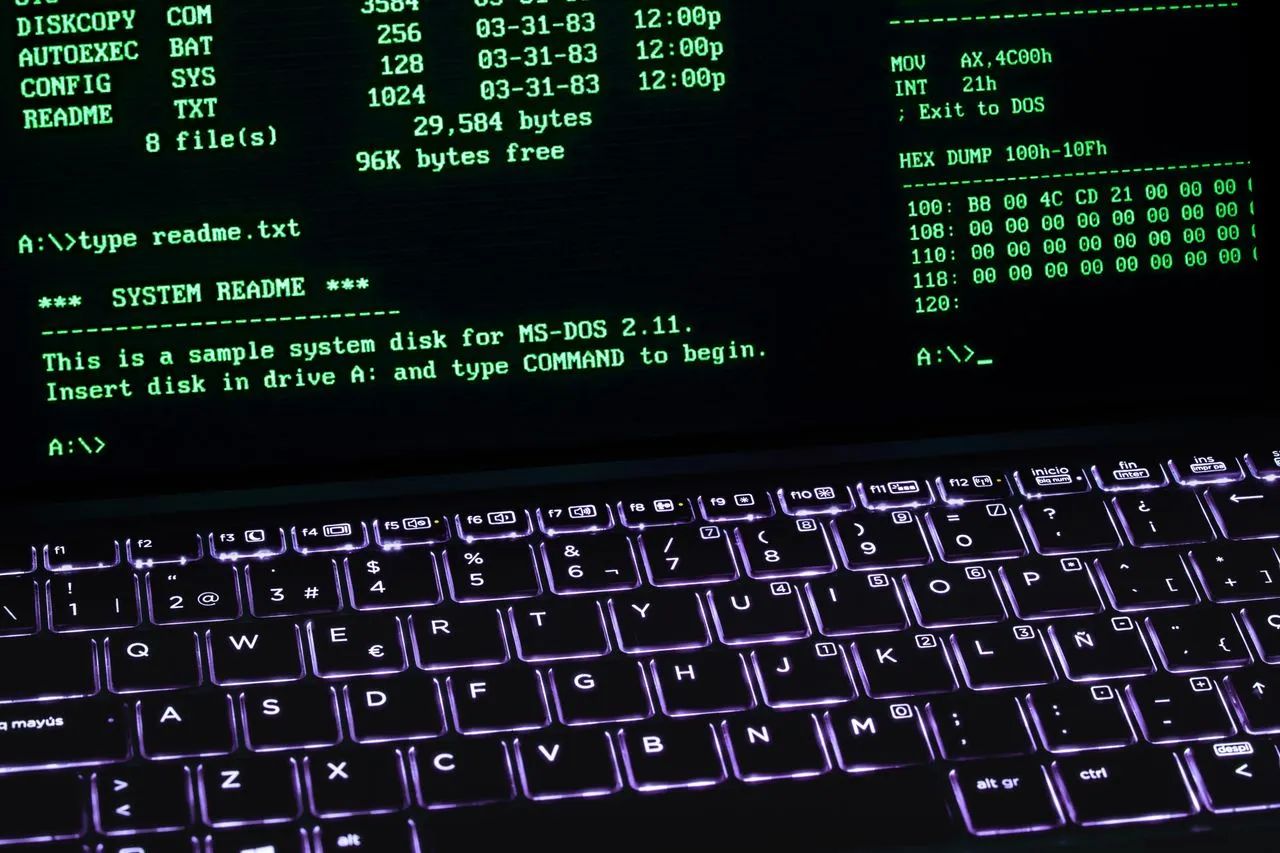
Apple đưa model on-device vào macOS 27 qua lệnh fm. Một bài test cho thấy JSON trả về đúng schema nhưng sai số liệu, và giới hạn context không như tin đồn.

Hướng dẫn gắn Chrome DevTools MCP vào Claude Code: chọn scope, dùng tool network, bật attach mode an toàn và khi nào nên chọn Playwright MCP.
Prompt 1.8 giây ở p50 vẫn vọt lên 18–35 giây ở p99, còn JSON hỏng 1–3%. Bốn guardrail đặt quanh mỗi lần gọi LLM để worker pool và hóa đơn không gãy.

Dev gõ vào Slack, PR và email nhiều hơn vào code, nhưng nửa việc đó không có công cụ. Bảy app Mac cho phần viết, kèm giá và yêu cầu phần cứng thật.
Chrome chạy model tóm tắt ngay trên máy người dùng, không cần API key. Dựng đủ vòng đời: kiểm tra khả dụng, tải model, hủy request và chặn race.
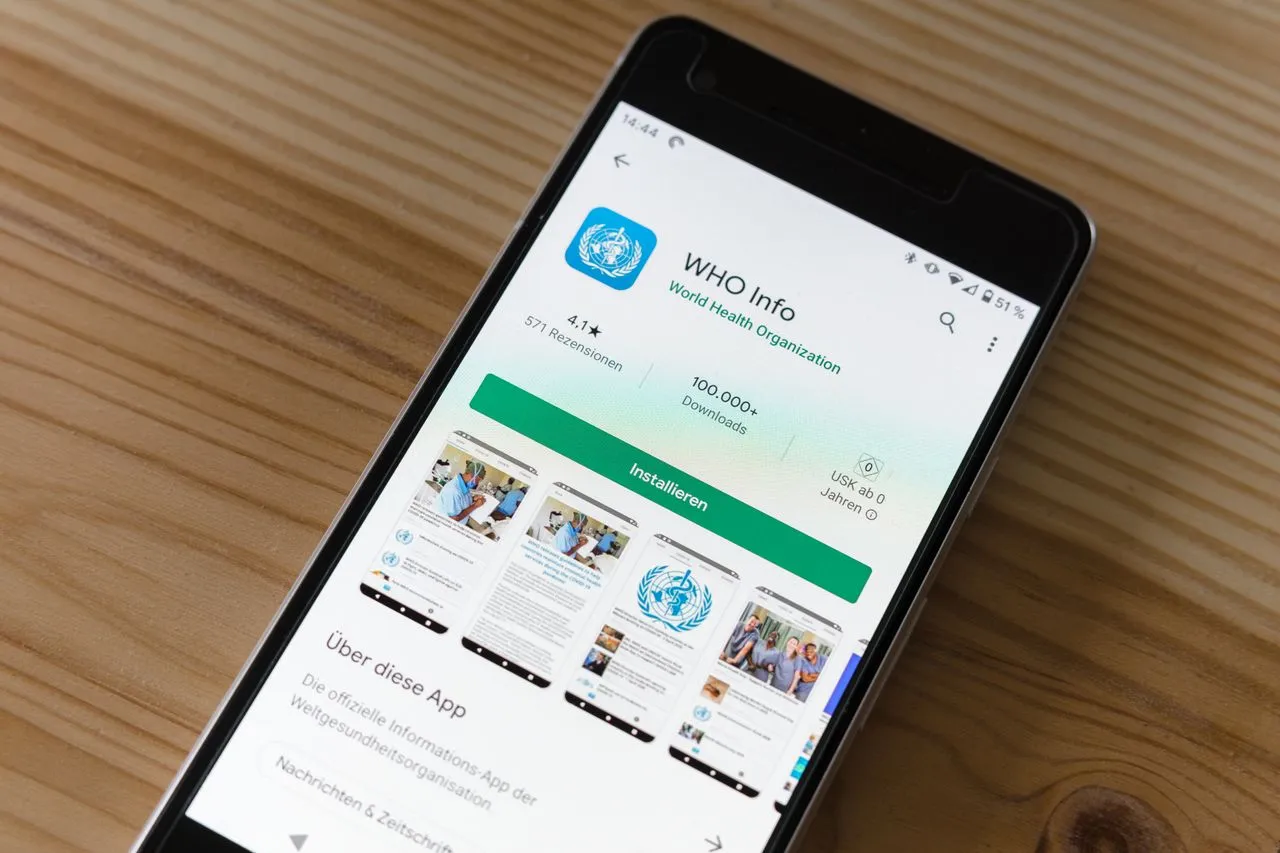
Google cho đưa app AI Studio lên Play Store không cần tài khoản nhà phát triển, không mất phí. Điều kiện thật, 5 bước, và cách xoay khi VN chưa mở.

Google Cloud đưa ra Agent Compute Engine để tạm dừng agent rảnh bằng microVM. Khoản tiết kiệm phụ thuộc tỉ lệ idle của agent, và hai cái bẫy kỹ thuật.
Tám nhà cung cấp còn cho gọi API LLM ở mức $0 mà không cần đăng ký thẻ. Hạn mức cụ thể của Groq, Gemini, OpenRouter và năm bên còn lại, chốt 22/10/2026.
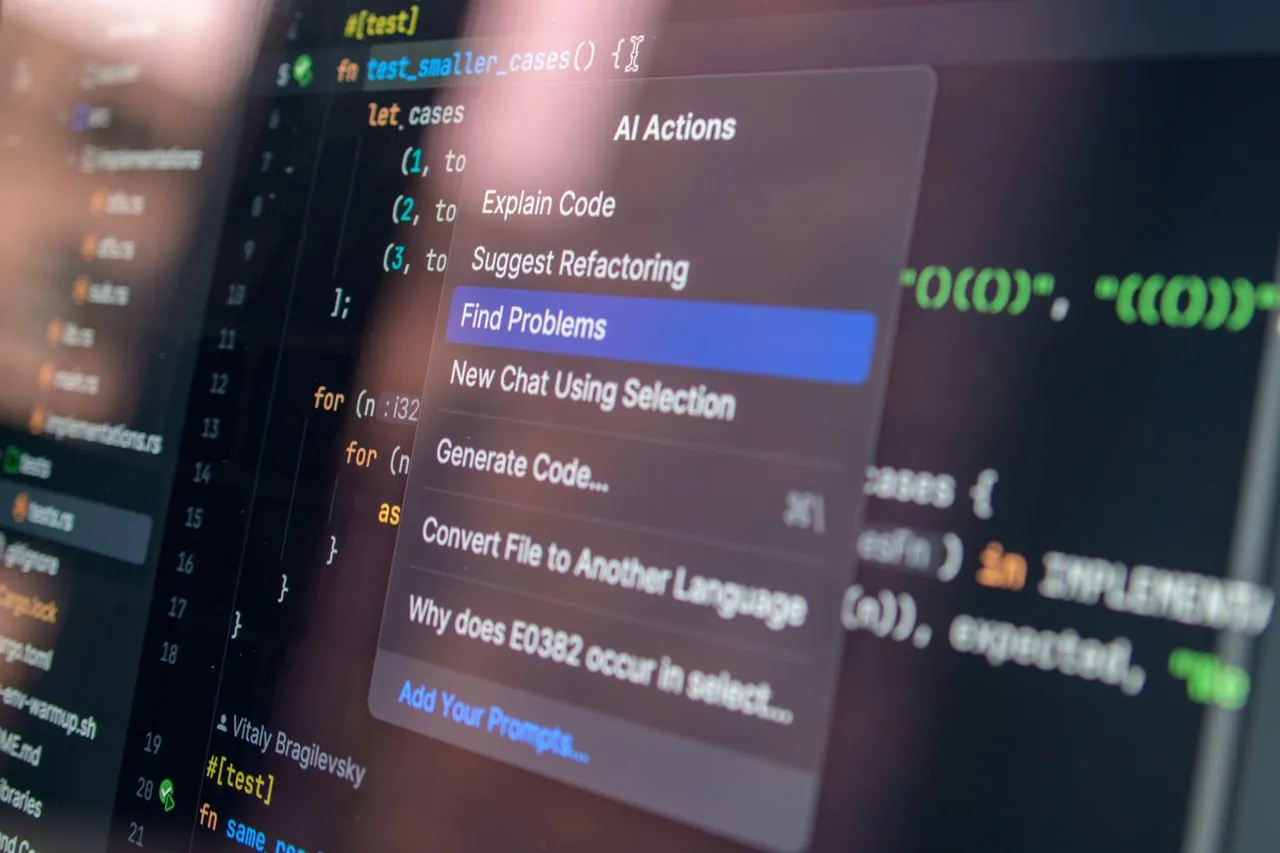
Gom permission Claude Code của cả team vào một file settings.json commit trong repo: thứ tự deny-ask-allow, pattern matching và giới hạn thật sự.
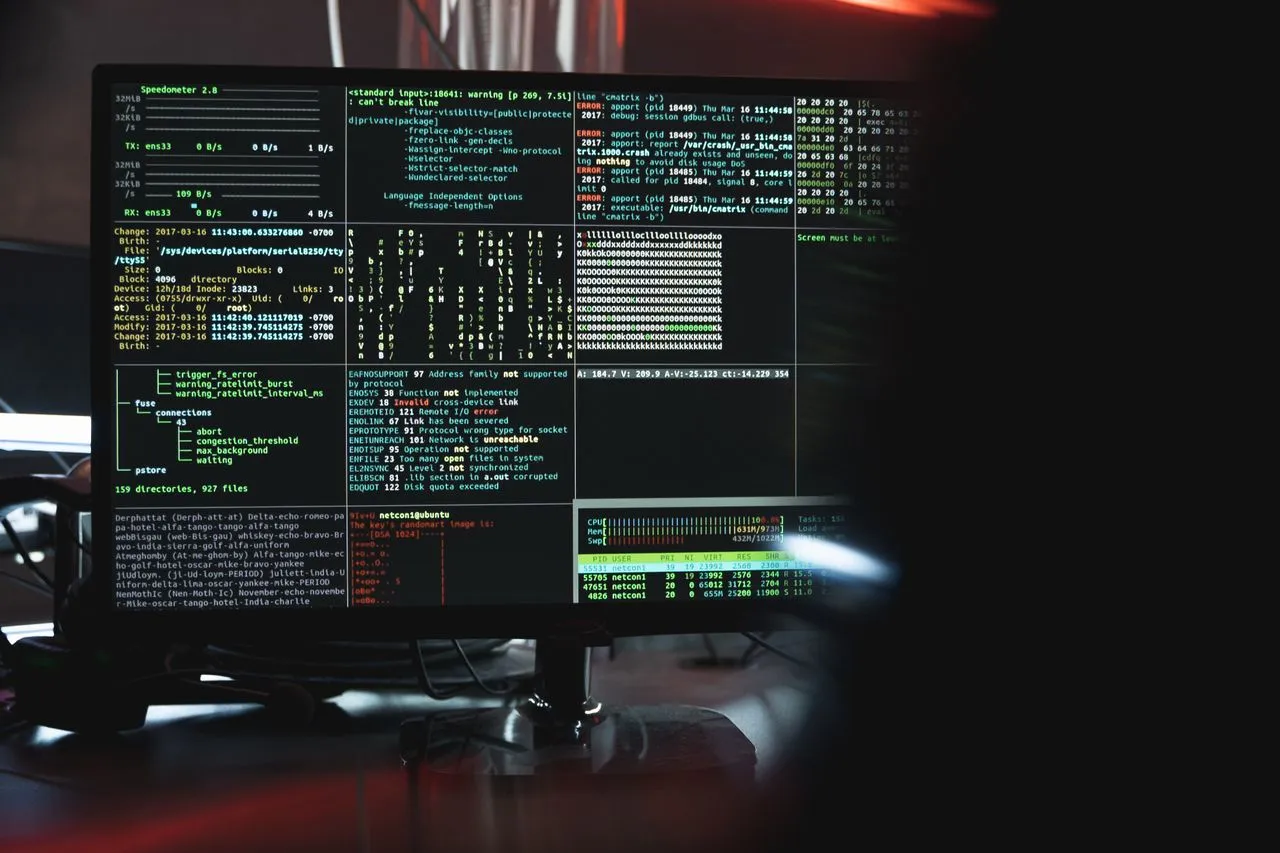
Phình ngữ cảnh, ghi đè khi chạy đa luồng, báo cáo test xanh giả và agent tự sửa bộ lọc chấm điểm — cùng bốn chốt chặn bằng exit code, không phải lời nhắc.

Khảo sát giá 66 model và một phép đo tokenizer cho thấy ba đòn bẩy cắt hoá đơn LLM: chọn đúng tier, bật cache, và tự đo token cho prompt tiếng Việt.

Dung lượng package và trạng thái hỗ trợ runtime là hai con số quyết định model nào chạy nổi trên máy bạn. Cách tra cả hai trước khi bấm tải.
Google đưa Gemini hội thoại vào Google Maps trên Apple CarPlay. Bật ở đâu, hỏi được gì, và vì sao Việt Nam vẫn chưa có mốc thời gian rõ ràng.
Hướng dẫn cho dev VN: đo usage Claude Code bằng /usage và /context, khoanh vùng 8 nguyên nhân tốn token, rồi áp 7 đòn bẩy cắt chi phí.