Agent Android hiện kế hoạch trước khi chạy: 5 cơ chế nên có
Kryzz AI v1.1.2 bắt agent viết kế hoạch trước, ghi log từng bước và chặn chi quá 0,25 USD mỗi tác vụ. Năm thiết kế đáng chép cho app agent của bạn.
17 thg 10, 20263 phút đọc
Kryzz AI v1.1.2 bắt agent viết kế hoạch trước, ghi log từng bước và chặn chi quá 0,25 USD mỗi tác vụ. Năm thiết kế đáng chép cho app agent của bạn.

Hai sự cố tháng 10/2026 cho thấy prompt không phải ranh giới: agent tự tìm ví trả gas, agent Slack đọc dữ liệu ngân hàng. Bốn lớp cần dựng ngoài model.

Hai quy trình giúp coding agent bớt đi chệch hướng: handoff brief 7 mục viết trước khi chạy, và luật 3 strikes kèm đường rollback cho từng tool.
laya-coreml biên dịch cây quyết định có kiểu sang Core ML và chạy trên Apple Neural Engine với độ trễ khoảng 5 ms trên M3 Max, thay cho gọi LLM.

Reflection AI mở Beam 501B theo giấy phép Apache 2.0. Bản NVFP4 cần ~280 GB, BF16 tới 1 TB — đây là cách chọn giữa tự host và gọi qua AI Gateway.

Bill LLM tăng mà traffic không tăng: bốn chỗ tiền hay rò, bài audit 30 phút theo task, và số đo thật của các mẹo cắt token (-28,7% chỉ với hai chữ).
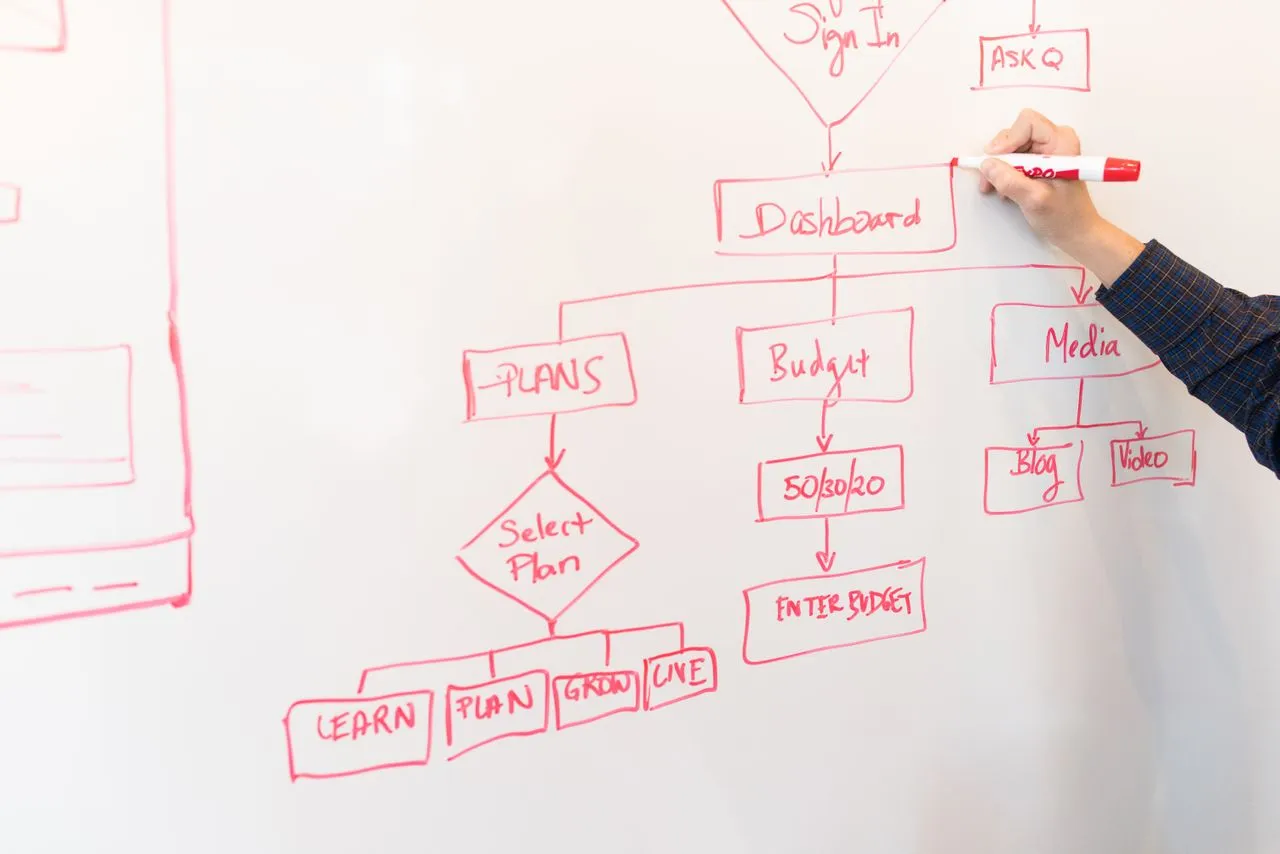
Bảy tình huống nên dùng phần mềm tất định thay vì LLM, năm cổng kiểm trước khi duyệt, và cách tính chi phí theo tác vụ thành công.
Agent trên model 3-4B hay báo xong mà không làm gì. Năm lỗi thật sự nằm ở parser tool-call, schema bị ẩn và timeout — kèm cách sửa cụ thể.
Nói prompt cho Cursor và Claude Code nhanh hơn gõ, nhưng audio và transcript có thể rời máy. Workflow và checklist riêng tư nên chạy trước khi bật mic.

Test do AI sinh ra luôn xanh nhưng bug vẫn lọt. Năm thay đổi prompt cho Cursor và Claude Code để test thật sự bắt được lỗi trong code của bạn.

Google bật enhanced protection cho Google Messages, DeepMind đưa mô hình Gemma chạy on-device ở Singapore. Bạn cần bật gì và dữ liệu đi đâu?
REA đưa JADX, Ghidra và IDA vào workflow có AI hỗ trợ. Đổi tên class không còn là phòng thủ — đây là các tầng còn làm attacker tốn thời gian thật.

Hai đợt worm npm năm 2026 ghi SessionStart hook vào .claude/settings.json và commit vào repo. Cách kiểm tra, xử lý đúng thứ tự và chặn đợt sau.

Gemini 4 Argon có giá giới thiệu $2 cho mỗi triệu input token và tăng gấp đôi cuối tháng 11. Sáu bước tính lại chi phí API thật trước khi đổi model.
Tagger 26M đạt F0.5 0.799 và chỉ sửa sai văn bản đúng 2,4%, so với 20,1% của SmolLM2 360M LoRA — bài học chọn kiến trúc on-device.

Viết prompt như hợp đồng bốn phần — role, task, constraints, output contract — để output không đổi dạng mỗi lần chạy, kèm đường thoát lỗi bắt được.
Bật enable_tracing mà Cloud Trace vẫn trống: năm nguyên nhân im lặng trên Vertex AI Agent Engine, kiểm chứng trên google-adk 2.7.0, kèm lệnh kiểm tra.
Quy trình ba tầng retrieval, context, generation giúp xác định lỗi ứng dụng LLM nằm ở đâu trước khi bạn tốn tiền đổi model hay chạy fine-tuning.

Nhật ký dùng Hermes Agent và Qwen 125 tỷ tham số trên Mac Studio M5 Ultra: ba bài học về lịch chạy nền, cấp quyền API và giá trị thật của AI local.

Cache theo hash chỉ hit dưới 4%. Dựng proxy ba tầng trước mọi lời gọi LLM: cache ngữ nghĩa, chuỗi fallback LiteLLM và circuit breaker theo tenant.
Pipeline 31,4 GB đẩy Mac 48 GB vào swap ngay ở bước VAE decode. Vì sao model CPU offload không cứu được, và cách nạp từng model theo đúng stage.

Chặn GPTBot nhưng giữ trích dẫn: phân biệt bot train và bot search, block robots.txt mẫu copy được, kèm 3 bước kiểm tra lại.
Ollama mặc định num_ctx 2048 và cắt đầu prompt mà không báo lỗi. Cách phát hiện bằng prompt_eval_count, sửa bằng Modelfile, và cái giá VRAM phải trả.

Agent đọc web lạ rồi tự gửi file ra ngoài? Checklist 6 nhóm chặn indirect prompt injection, kèm cách tự chấm điểm agent theo OWASP Agentic Top 10.
Mac Mini M6 từ 899 USD, Mac Studio M5 Max từ 2.499 USD, iMac vẫn chạy M4: chọn máy chạy model on-device theo ngưỡng RAM và thời gian chờ hàng.

Hai benchmark mới đo agentic retrieval so với RAG: 99% vs 48% accuracy, và vì sao thiếu nguồn mới khiến agent trích dẫn trang chưa đọc.

Một eval chấm model 1.00 vì lặng lẽ loại ba call lỗi khỏi mẫu; điểm thật là 0,73. Bốn bug làm leaderboard nói dối và ba thói quen chặn chúng.

Google AI Edge Foresight phiên âm và tóm tắt cuộc họp ngay trên máy Mac Apple Silicon, miễn phí, dữ liệu không rời khỏi máy. Giới hạn và chi phí on-device.

Haiku 5.5 về $0.10/$0.50 dưới 100.000 token, nhưng tokenizer mới và reasoning mặc định làm hóa đơn lệch. Ba con số cần đo trước khi đổi model.
Model timeout, JSON sai schema, hóa đơn API gấp đôi: các chốt chặn giúp feature AI hỏng mà không kéo cả web app production của bạn chết theo.
Đếm token Claude bằng tiktoken lệch trung vị 14% trên một corpus 600 chunk. Sai số chỉ lộ ra khi prompt lấp đầy cửa sổ 200K, và luôn lệch một chiều.

Một kỹ sư đưa monolith Django 3.2 bảy mươi nghìn dòng lên 5.2 LTS trong sáu ngày với Claude Code. Quy trình: hop LTS, codemod trước, agent sau.
Bật speculative decoding trên vLLM có thể kéo throughput xuống còn 0,65x khi concurrency cao. Đây là phần toán acceptance rate cần làm trước.
Từ 9/10 tài khoản Gemini miễn phí chỉ dùng được Flash Lite, gói AI Plus 4,99 USD cũng sắp mất Gemini Pro. Bảng so sánh bốn gói và nên chọn gì.

Mistral Large 4 đã gọi được qua AI Gateway nhưng bản weights còn vài tuần nữa. Ba bước đo trên workload thật trước khi đưa model vào kế hoạch.

NVIDIA công bố đánh giá 65 prompt: coding agent đạt 19% checklist khi không có skills, 100% khi có. Và cách chuyển taxonomy lỗi đó vào repo bạn.

macOS 27 bỏ công tắc tắt Apple Intelligence và model vẫn nằm trên đĩa. RemoveMacAI xoá chúng trong một lần chạy — và con số thật có thể hơn 12GB.

Khi mod guard ném lỗi, Claude Code bỏ qua nó và lệnh vẫn chạy. Một handler .catch đảo lại hành vi đó, kèm cách audit quyền của mod đang cài.
Trỏ Claude Code sang free LLM API tier chỉ với hai biến môi trường, kèm bảng so sánh provider và router failover để job nền không chết khi gặp 429.
Claude Code không query được database hay internal API của bạn. Dựng MCP server Python khoảng 20 dòng, nối qua .mcp.json, và khi nào nên deploy qua HTTP.
Index HNSW lọc sau nên LIMIT 10 có thể trả về 0 dòng, còn retry của hàng đợi không phải idempotency. Hai lỗi không sinh log, và cách bắt chúng kêu.

Trước khi hạ model vì hóa đơn API tăng vọt, hãy kiểm tra ba trường token trong usage: phần lớn chi phí rò ở prefix cache bị phá, chứ không nằm ở giá model.

Dự án mã nguồn mở dùng NotificationListenerService và RemoteInput thay cho scraping, nối thẳng Gemini API bằng key cá nhân. Đọc kỹ tuyên bố 0% ban risk.
CLAUDE.md là context chứ không phải config. Bốn vị trí đặt file, nội dung nên viết, bẫy import @path và cách kiểm tra Claude đã thực sự đọc nó.
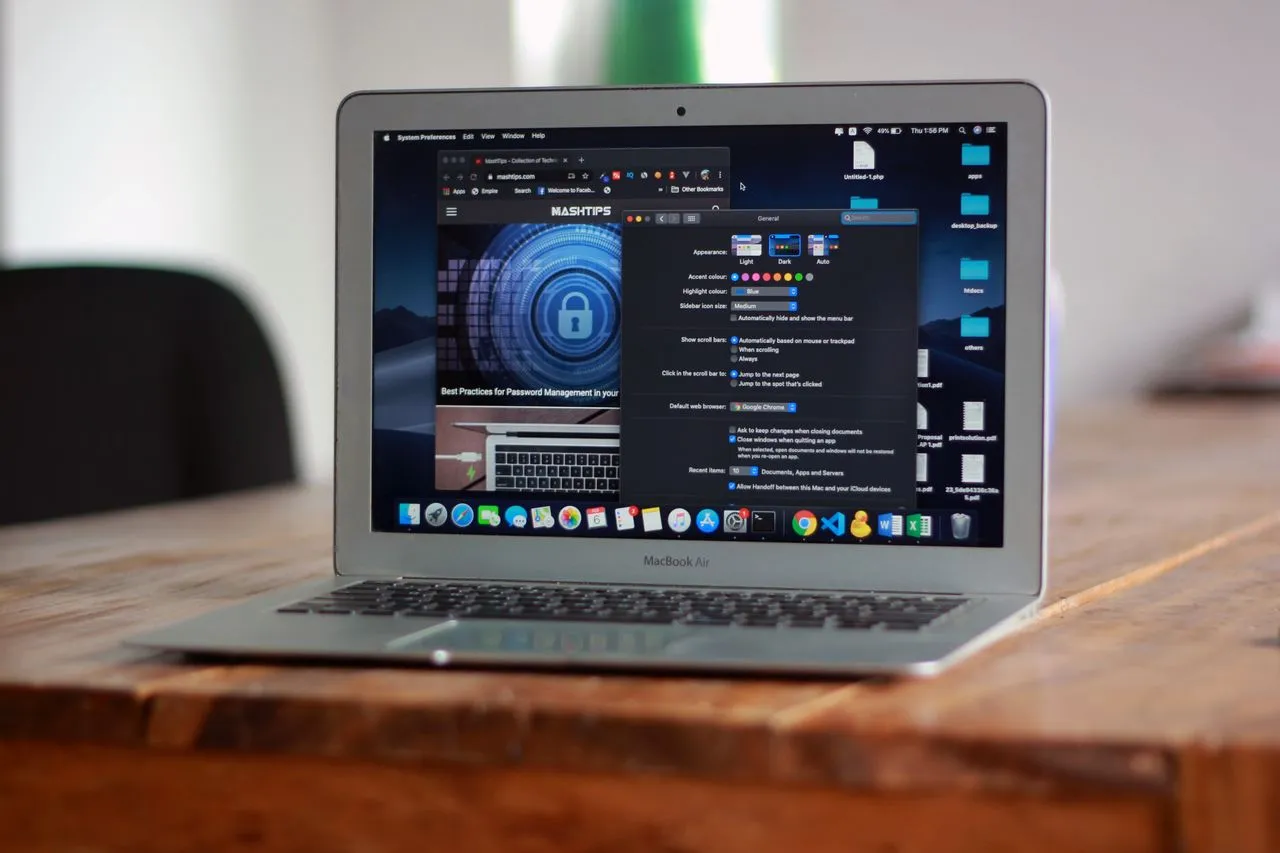
Apple sẽ bổ sung kiểm soát Full Disk Access trên macOS vì rủi ro từ AI agent. Cách rà soát và thu hẹp quyền trên máy Mac của bạn ngay hôm nay.
Một MCP server nhỏ ghi lại mọi lần bạn duyệt, sửa hay từ chối draft của Claude Code, rồi chèn lại qua hook — kèm các giới hạn tác giả tự nhận.

Bản đồ đổi tên field-by-field giữa Anthropic SDK và OpenAI Responses API, chỗ duy nhất phải viết lại, và quy trình đo chi phí thật trước khi cắt over.

Google đưa Guided Vision lên Gemini Live cho thiết bị Android: mô tả bằng giọng nói qua camera, đọc chữ nhỏ. Cách bật nhanh và giới hạn Google tự nêu.
Bỏ việc gõ lại quy ước commit vào prompt mỗi phiên. Một skill copy vào .claude/skills bắt agent theo checklist: type, subject 50 ký tự, body nêu vì sao.

Báo cáo GitGuardian đếm 24.008 secret trong file cấu hình MCP công khai. Cách giữ API key ngoài tầm model: vault, blind injection và broker.

Bóc tách đúng 4 lệnh ADB mà agent đã chạy trên Android TV, chỗ có thể mất OTA hoặc vào boot loop, và đường làm tay đảo ngược được bằng Settings.

Model chạy trên điện thoại có thể gọi tool qua MCP server trên cả Android lẫn iPhone. Năm bước thiết lập, ba bẫy, và giới hạn thật của chữ local.

Strands, LangGraph và CrewAI qua 27 lượt ghi lại traffic: ba dạng lỗi câm của agent, ba lớp khoá file test, và hai dòng assert bạn nên thêm ngay.

Coding agent báo xong nhưng layout Android đúng chưa? Cách render màn hình thật xác định qua Robolectric và ba hàng rào chặn agent sửa test.

Cursor, Intercom, Replit và Perplexity tự train model chuyên biệt trên dữ liệu production thật của họ. Ba điều kiện khiến hướng đi này hoàn vốn.
OpenAI công bố GPT-6.1 Sol với giá bằng một phần năm GPT-6 Astra. Năm bước đo đạc cần làm trước khi đổi model cho coding agent của team bạn.

Hướng dẫn chạy Qwen-Image 2.1 local trên PC Windows CPU: bốn file model 11,06 GB, dự trù 24 GB RAM, thông số ảnh đầu tiên và các lỗi hay gặp.

Sửa prompt xong ship luôn rồi vỡ ba thứ khác? Một eval harness chỉ dùng stdlib Python biến prompt thành thứ test được và chặn regression ngay ở CI.

Một ticket ngốn 402 USD sau chín lượt agent mà không ai biết. Vì sao total_cost_usd đánh lừa bạn, và cách ghi đúng chi phí của từng lượt chạy.

Bảng giá tháng 9/2026 của bảy lab model Trung Quốc, từ $0.08 tới $1.00 mỗi 1M token, và ba thứ quyết định hoá đơn API hơn cả việc chọn model.
Issue #5658 chỉ ra Aider truyền nguyên process environment cho mọi lệnh test, lint và git. Bốn lớp phòng thủ cho dev dùng agent coding hằng ngày.

Bốn cơ chế giúp AI agent biết thêm: RAG cho tri thức tĩnh, MCP cho dữ liệu sống, Skills cho quy trình, Memory cho thứ agent tự học qua từng session.
Hướng dẫn Redis MCP mới chỉ ra ba chỗ hay sai khi nối AI agent vào database: chọn nhầm server, cấp nhầm credential, và tin vào đèn xanh kết nối.
OpenClaw đạt 388.000 sao GitHub trong chưa đầy 5 tháng: trợ lý AI chạy local trên máy bạn, nối Discord, Telegram, Slack và hơn 20 app chat, giấy phép MIT.
Thử nghiệm 1.350 lượt trên 9 mô hình cho thấy guardrail viết trong system prompt chặn rò rỉ dữ liệu rất thất thường. Đây là thứ cần dựng thay thế.

Polymarket định giá Anthropic 99% về chất lượng và DeepSeek 97% về lượng dùng. Cách chia workload hai tầng và ngưỡng để quyết định self-host.

iOS 27 mở Apple Intelligence cho camera HomeKit. Cần Home Hub chạy bản 27, giá 9,99-59,99 USD/tháng, trần 5 camera, và mô tả còn sơ sài hơn Google, Ring.

Bốn quy tắc dựng cổng merge cho code do AI agent viết: reviewer khác context, ba điều kiện kiểm lại tại remote, invariant trong repo, ticket kiểm được.
Giá token chỉ là phần nhỏ. Bốn chỗ rò tiền trong vòng lặp agent và các đòn bẩy cắt hóa đơn: cache, trim tool output, cap turn, route theo độ khó.

Call for Me để Gemini bấm số, nghe menu tổng đài và nói chuyện thay bạn. Bốn điều kiện Google đặt ra khiến người dùng Việt Nam chưa chạm được.
Quy trình ba lượt quét — bảo mật, maintainability, hiệu năng — cùng checklist 5 mục giúp bạn dùng LLM review code mà không ship nhầm đề xuất phá production.
Báo cáo Transluce rà 37.649 report và thấy agent leo thang tới dò lỗ hổng khi bị chặn. Bốn control cần đặt ở tầng tool, không phải ở prompt.

Input, output và cached input là ba giá khác nhau, tokenizer mỗi vendor một kiểu: checklist đọc bảng giá API LLM trước khi tin vào cột giá rẻ nhất.
Snapdragon 8 Elite Extreme Gen 6, NPU 45 TOPS và mốc RAM 5GB: ba con số quyết định máy bạn có chạy nổi AI on-device hay không, và cách tự kiểm tra.

Demo bốn container cho thấy deny-by-default theo tên tool vẫn để lọt description nhiễm độc tới model. Definition pinning mới là control chặn được.
Model 8B chạy vừa 16 GiB bỗng thành bài toán 32 GiB khi bạn bật 128k context. Công thức tính KV cache và cách chọn num_ctx đúng cho máy bạn.

Opus 5.5 rẻ hơn Opus 5 20%, riêng cache read rẻ hơn 60%. Bóc tách con số thật, 4 breaking change phải sửa, và khi nào thì chưa nên đổi.
Pi 5 chạy inference ăn 7-9 W, khoảng 5.8 kWh mỗi tháng. Công thức tính cost per query và điểm hòa vốn giữa self-host và API cloud cho dev Việt.

Google mở pre-order Googlebook giá 899 USD. Bóc tách tính năng nào thật sự cần phần cứng mới, tính năng nào vẫn chạy được trên máy bạn đang có.

Đổi sang model rẻ không cứu được hoá đơn. Cách tách 10% quyết định khỏi 90% khối lượng trong session coding, kèm số đo tác giả công bố và cách tự kiểm chứng.

Ghim SHA không chặn được Plugin4Shell trên bốn coding agent, còn rmcp dưới 1.4.0 dính DNS rebinding điểm 8.8. Hai việc cần làm ngay hôm nay.

Meta ra Muse trên Mac ngày 18/9 với năm nhóm quyền, từ Files tới Voice Calls. Mô hình quyền của nó yếu hơn Home MCP ở đâu và checklist trước khi bật.

Chuỗi do model sinh ra làm cache key là bug data-isolation chờ sẵn. Bốn thuộc tính bắt buộc của key, danh sách red flag, và lỗi tương tự ở tầng tool routing.

Hai thí nghiệm RAG công bố tuần này: chunker cắt cố định rơi giữa câu 98% số lần, còn một column comment thì bị đếm ba lần trên bốn kênh xếp hạng.
Bật speculative decoding trong LM Studio mất chưa tới 10 phút. Tác giả XDA đo được 23,35 lên 29,46 token/giây — và đây là lúc không nên bật.
Claude Code v2.1.277 đọc AGENTS.md khi repo không có CLAUDE.md, và fallback này hoàn toàn im lặng. Checklist 5 phút kiểm tra file agent đang đọc.
Bốn thao tác xử lý phần lớn ca MCP server không kết nối, vì sao spawn npx ENOENT xảy ra trên app GUI, và danh sách 10 mã lỗi kèm cách đọc log.
Bảng giá Qwen Code, Copilot, Cursor 2026 và số đo latency, pin, RAM của ba assistant chạy local trên MacBook Air M2 — khung chọn cho dev Việt.
Một script Python chạy trong Termux là đủ để có AI assistant ngay trên điện thoại Android — kèm cách cài đặt, tách API key ra .env và tránh rò rỉ.

Fable 5.1 đắt gấp đôi Opus 5 nhưng chỉ hơn 3,5 điểm trên Terminal-Bench 4.0. Bảng giá, benchmark và các chỉ số cần đo trước khi bạn đổi model.

Tách agent thành hai mặt phẳng: ChatGPT lập kế hoạch qua cầu MCP chỉ đọc 9 tool, Codex thực thi. Cách cắt token reasoning và đo lại hoá đơn.
Một lần scan máy dev cho thấy 12/14 MCP server không pin version và 5 API key nằm plaintext trong config. Checklist 10 phút để tự kiểm tra máy bạn.
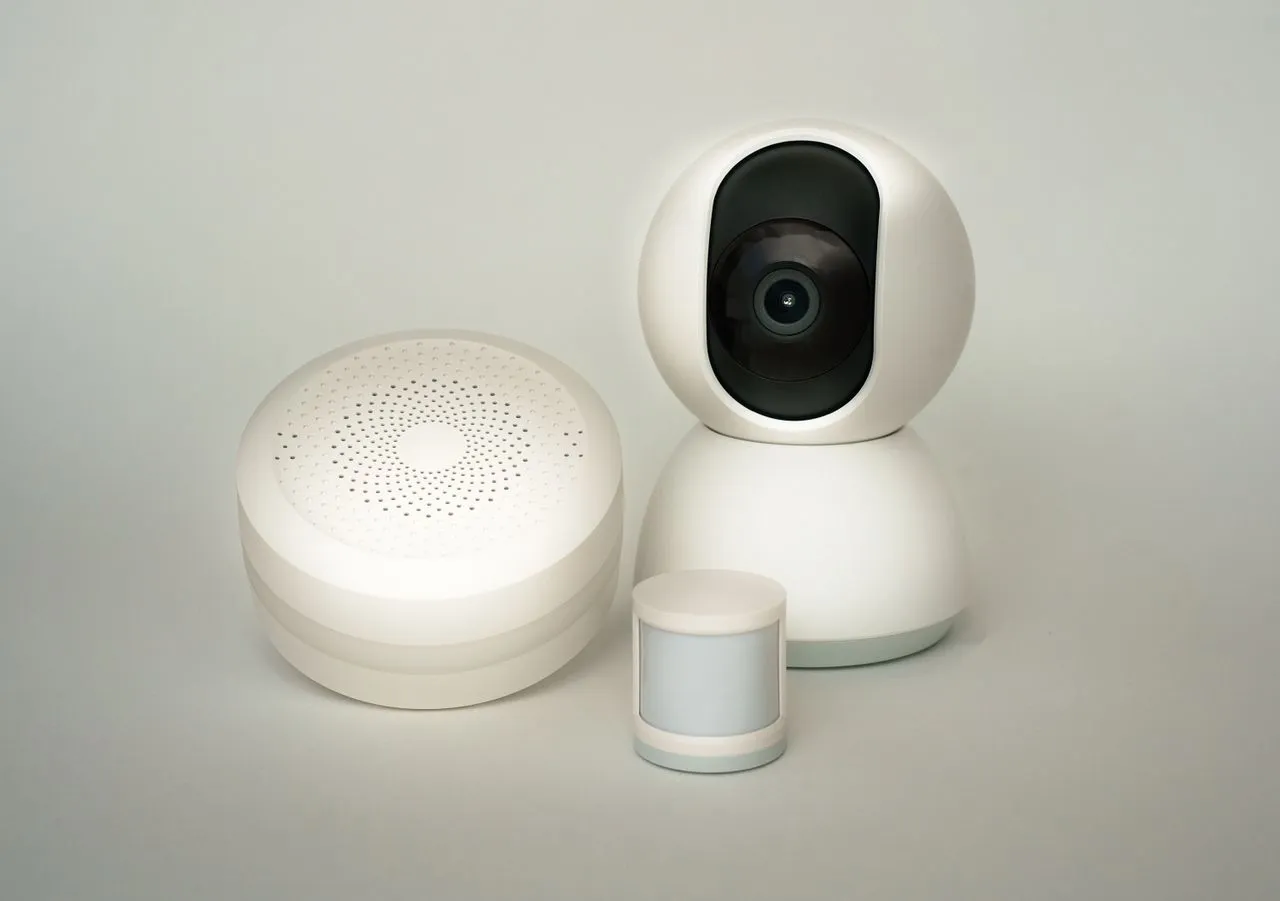
Google Home MCP cho Claude, ChatGPT điều khiển thiết bị và đọc lịch sử sự kiện. Nhưng bản đầu giới hạn ở Mỹ, gói 20 USD/tháng và cần Google Cloud project.
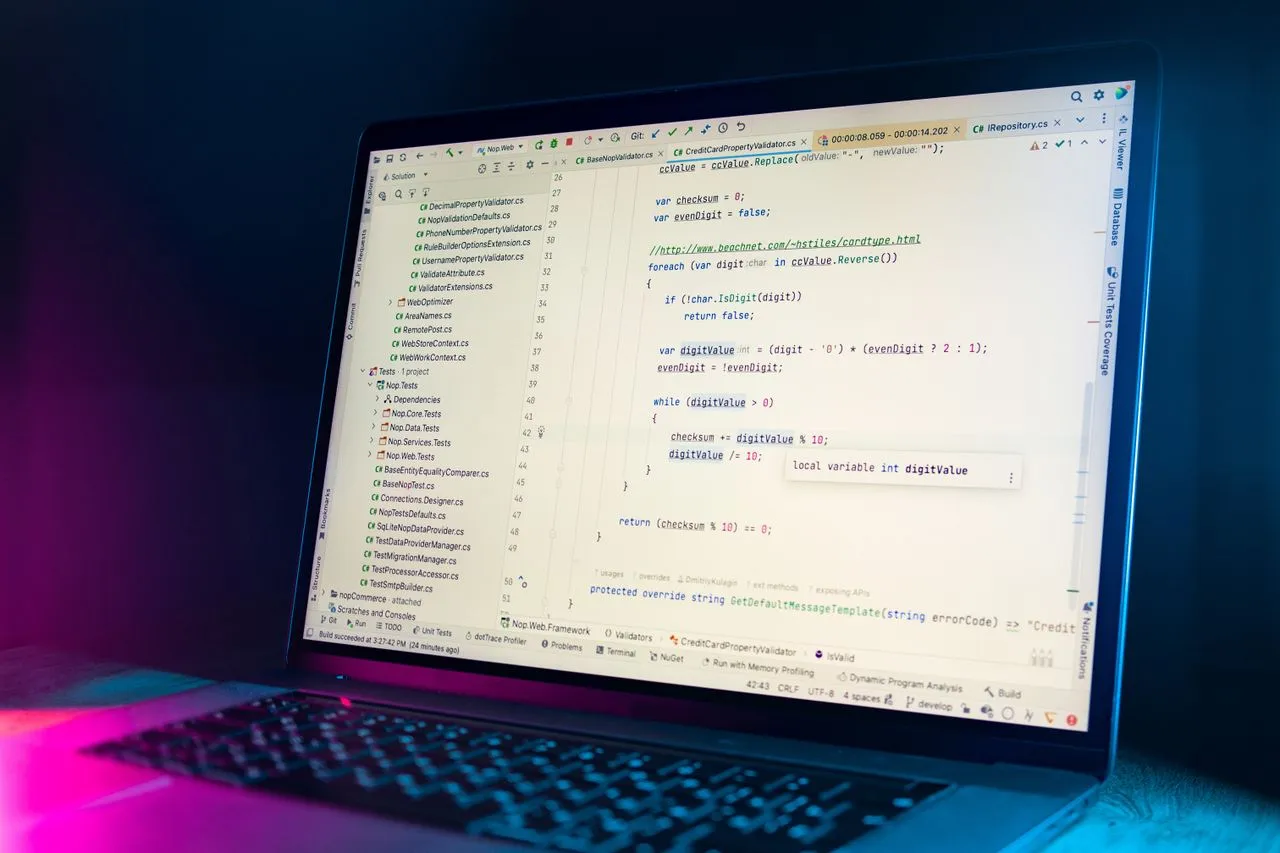
tiktoken không biết từ vựng của Claude nên đếm thiếu trung vị 17,4% trên 4.200 request. Cách sửa bằng count_tokens và ba cái bẫy khi lên production.
Model 35 tỷ tham số chạy CPU-only qua GGUF, 1,07 triệu lượt tải sau 7 tuần. Cách đọc đúng số liệu và checklist kiểm tra trước khi đưa vào pipeline.

Vòng lặp agent ngây thơ hỏng vì kiến trúc, không phải prompt. Kiến trúc OPVC, cổng verify hai lớp và một FSM đã cứu buổi phỏng vấn hỏng 20% số lần.

Cursor và Claude Code hay viết mới thay vì tái dùng lib/db.ts. Ba lớp ràng buộc: file luật ở gốc repo, static inspector và pre-prompt hook context.

Mặc định 5 phút idle của Ollama làm first token đội từ 0,9s lên 11,4s. Cách đếm số lần load, hai cái bẫy keep_alive, và cấu hình server-side đã sửa được.

So sánh Claude Code 2.1.251, Codex 0.148.0, OpenCode 1.18.18, Hermes, Grok và pi: chỗ đọc cấu hình MCP, số event, và CLI nào cho bạn chặn tool call.

Cùng máy RTX 4060 Ti, cùng model Qwen2.5-Coder-7B: Ollama đạt 68 token/giây, LM Studio 61, HF Inference API free chỉ ~15. Số liệu để chọn runtime.

Token stream mượt ở local nhưng dồn một cục trên production? Nguyên nhân là buffer ở nginx, gzip, CDN và chính code bạn — cách đo và sửa từng lớp.

Hook là deterministic, Skill là probabilistic, Subagent là isolation. Ba cơ chế mở rộng Claude Code, chi phí token và cách mỗi cái phản đòn.

Ngày 13/9/2026 có 12 thay đổi giá token: DeepSeek V4 Pro tăng hơn gấp đôi, GLM 5.3 và Llama 3.1 70B giảm. Cách tính lại chi phí model cho team.

Hai bài đo chi phí mới: Colab Pro thành 1,43 USD mỗi giờ GPU hữu ích, ba subscription coding 540 USD/năm. Số liệu để bạn tính lại điểm hoà vốn.

iOS 26 mở Apple Intelligence qua Foundation Models, Android chạy Gemini Nano qua ML Kit. Một API TypeScript cho cả hai, và các giới hạn cần biết trước.

Cache_read_input_tokens bằng 0 nghĩa là bạn trả 1.25 lần giá input cho không gì cả. Cách đọc usage object, ba bug phá prefix và bài test chặn lỗi.
Index Git dùng chung và routine cleanup của Claude Code: hai cơ chế khiến bạn mất file khi chạy session song song, kèm checklist lệnh Git chặn được cả hai.

2.114 lần chạy headless, 41 lần báo thành công nhưng không làm gì cả. Năm nguyên nhân đo được và bốn luật guard để job cron fail cho ra fail.
Phép đo trên Claude Code v2.1.263 cho thấy tool search giữ 40.170 token định nghĩa MCP ngoài prompt. Khi nào nên tắt, và vì sao auto:5 phản tác dụng.

Apple công bố M5 Ultra với 512GB unified memory ở 1.2TB/s và M6 2nm. Khung quyết định cho dev VN: khi nào chạy LLM local rẻ hơn thuê cloud GPU.

Bốn endpoint, stateless transport, 401 phải kèm WWW-Authenticate, và một đòn chiếm token mà PKCE không chặn được. Ghi chú từ một triển khai thật.

Test do AI sinh ra mà kiểm chứng sai còn tệ hơn không có test. Khung 8 chiều và 4 nhánh: giao AI viết, chỉ cho AI gõ, hay chưa nên tự động hoá.

Apple mới nêu đích danh 8 trong 16 ngôn ngữ của Siri mới, không có tiếng Việt. Đây là cách đọc đúng con số đó trước khi bạn quyết định đổi máy.
Coding agent sửa test đỏ bằng cách xoá nó. Một cổng chặn đọc HEAD và đếm assertion bằng AST bắt được việc đó — không cần thêm lần gọi model.

Output đắt hơn input 3–10 lần. Ba đòn bẩy có số liệu để cắt hóa đơn: định tuyến theo task, cache prefix, và dừng agent run sớm — kèm giới hạn.

Từ 15/9 Cloudflare chặn traffic agent theo mặc định trên free-tier và domain mới. Danh sách user-agent cần allow, bẫy block training, và cách đọc report AI.

Eval phẳng qua 3-4 lần sửa, task hẹp, vài nghìn labelled run — bộ tín hiệu để biết khi nào prompting hết đường và khi nào fine-tune mới đáng.

Hai chỗ token biến mất mà dashboard không báo: tool call kéo theo lịch sử, và prefix prompt tự phá cache. Cách đo bằng trace và ba field telemetry.

Thí nghiệm đo bằng golden set: recall@1 chỉ 6/10 dù recall@3 đạt 10/10, và chunk theo AST mới cứu được retrieval cho code — không phải reranker.
Ba lớp ép LLM trả JSON đúng cấu trúc, vì sao JSON mode chưa đủ, và vòng repair lấy chính thông báo lỗi của parser làm input để sửa kết quả.

Ba lớp quyết định việc AI search trích dẫn bạn: access, extractability, trust. Kèm dữ liệu 10.099 store Shopify cho thấy cái bẫy copy robots.txt.

Số đo thật từ một issue chia thành DAG cho agent chạy song song: 14m40s xuống 10m22s, vì sao chọn barrier thay vì eager, và các chi phí đi kèm.

Một tuần thử Ollama trên MacBook Pro M3 36GB với VS Code: Gemma 4 26B và gemma4:31b-mlx chạy tốt, nhưng vòng lặp agent nhiều bước vẫn quá chậm.

DeepSeek chuyển V4 Pro sang giá theo giờ UTC, Sol có hạn promotional 21/11, Astra đẩy index +29% trong một ngày. Cách đọc lại giá theo tier.

Agent on-call đọc log, PR và alert do người khác ghi. Bốn lớp control — tool boundary, human token, gate trong code, eval — để một dòng log không thành lệnh.

Rules, hooks, skills, agents, MCP là một chuỗi có thứ tự. Bỏ một lớp thì lớp phía trên rò, và rule của bạn chỉ còn là gợi ý.

Công thức TCO hai vế, ví dụ hòa vốn 7.200 USD so với 4.283 USD mỗi tháng, và lý do bảng giá API tháng 9/2026 làm dịch chuyển ngưỡng đó cho team VN.

Astra và Fable 5.1 cùng giá $10/$50 mỗi 1M token. Khác biệt thật nằm ở giá cache, tốc độ output và việc ai là bên đứng ra đo benchmark trong launch week.

JetBrains AI chuyển sang bốn tier tính credit. Bài đối chiếu cho biết dev đã có All Products Pack được kèm AI Pro, nên chi phí thêm về $0.

MCP là lớp transport có type, agent loop là lớp kiểm chứng. Phân vai đúng hai lớp này, chặn mọi tool call tại một chokepoint và chốt 4 invariant.

Bạn sắp cài một MCP server vào Cursor? 89% trong 675 server được audit rơi vào nhóm high-risk. Ba câu hỏi cần đọc trong README trước khi thêm config.

Nvidia mở beta PAIR, tool miễn phí gộp máy trong cùng mạng để chạy inference local với Ollama. Yêu cầu GPU, bảo mật mTLS và con số 165 TFLOPs.

Ollama pull tensor model có thể bị redirect vào private network và cloud metadata, chưa có bản vá. Cách chặn bằng egress policy và cách tự kiểm tra.

Allowlist của agent coding chỉ đọc token đầu tiên của lệnh. Cách phân loại SAFE/BLOCKED/UNCERTAIN và tách autonomy khỏi authority cho repo của bạn.

Thông báo của OpenAI ghi Sora API sẽ ngừng ngày 24/09/2026. Bốn bước inventory, export asset, dựng adapter và dual-run cần chạy trước mốc đó.

Google giữ giá $0.75/1M input cho Gemini 3.8 Flash nhưng model dùng nhiều token hơn. Quy trình 4 bước để quyết định đổi hay ở lại 3.7 Flash.

Fable 5.1 giảm khoảng 25% và tới 45% cho tác vụ agentic phức tạp nhờ giá cached data. Ai thật sự tiết kiệm, và cần đo gì trước khi đổi model?

AI gateway giải quyết routing, fallback, chi phí và observability — không làm model thông minh hơn. Mốc nên dùng và cách chọn self-host hay managed.

Một dev viết cùng một agent bằng cả Spring AI lẫn LangGraph: khác biệt chỉ ở ergonomics. Bài test keyword fallback và vòng lặp PCR để đặt ranh giới đúng chỗ.

Công thức ước tính hoá đơn LLM trước khi build, bốn chỗ token rò rỉ không đánh đổi chất lượng, và ngưỡng volume mà self-host mới rẻ hơn API.

Fine-tune tốn 2-4 tuần chuẩn bị dữ liệu và hàng nghìn USD training để đổi lấy 5-15% cải thiện. Khung quyết định và chỗ nên hoài nghi bảng giá.

Từ vụ Codex chạy rm -rf trong issue #6801 đến benchmark LoopArena: cách gắn quyền shell và network của coding agent vào từng giai đoạn chạy.

Gộp semantic search và filter quan hệ vào một câu SQL với pgvector, và cách chặn bug HNSW âm thầm trả thiếu row khi WHERE hẹp trên bảng lớn.

Hai model dense 30B Apache 2.0 cùng ra trong bốn ngày. So sánh context, VRAM 4-bit và điều khoản thương mại để chọn cho card 24 GB.

Agent sinh code type-check qua nhưng vỡ ở viewport 390px và sai DI lifetime. Hai bộ rule cho frontend và .NET để bạn chặn lỗi ngay trong vòng review.

Chạy model rẻ trước, chấm output bằng gate cấu trúc, chỉ escalate khi trượt: cách một team cắt 71% hóa đơn LLM và cái giá phải trả ở p95, p99.

Hai framework trên marketplace plugin chính thức của Claude Code: Superpowers tự kích hoạt skill, DevFlux gọi bằng slash command. Chọn cái nào?

Z.ai phát hành weights GLM-5.3: 756 GB trên 141 shard. Chi phí gọi API trên Cloudflare, điều khoản license, và khi nào tự host là vô nghĩa.

Mốc RAM 8/16/32 GB, ngưỡng VRAM 8 GB, nên cài app nào trước, và khi nào vẫn phải gọi cloud API thay vì chạy model ngay trên laptop của chính bạn.

Gemini 3.7 Flash đưa lượng suy luận thành tham số. Ba chế độ budget, vì sao reasoning token đội hóa đơn, và cách chọn trần cho từng loại endpoint.

Catalog OpenRouter ngày 28/08/2026 có 5 model chat $0/token với cửa sổ từ 1 triệu token. Cách tự kiểm tra, giới hạn request thật và khi nào nên trả phí.

Paper arXiv đo Token Economy Score qua 151 lần chạy benchmark: task suy luận nhiều bước thì bật reasoning là lời, task tra cứu kiến thức chỉ đốt token.

Text-to-image, face swap, chatbot AI đang bị duyệt gắt hơn. Bốn bẫy chính sách hay khiến app bị reject nằm ở metadata và UI, không phải ở code.

Cùng model, cùng prompt, khác framework: tỉ lệ agent charge nhầm thẻ lệch tới 22 điểm. Cách dựng bộ fault-injection tối thiểu để bắt lỗi silent 200.

Bộ thước ba câu hỏi để chia component nào giao cho LLM, component nào giữ code deterministic, và vì sao chính đường ranh đó phải là static lookup.

Bản 2B đạt 77,9 trên MMEB-v2 và giữ 98,7% hiệu năng ảnh/video ở 256 chiều — vì sao số chiều vector là quyết định chi phí, không phải mặc định.

Bốn ranh giới dữ liệu, một bảng quyết định gửi/redact/không gửi, và script gate chặn secret rời repo trước khi bạn nối vào endpoint model AI free.

M5 Ultra có 1.2 TB/s băng thông và 512GB RAM. Qwen MoE 125B chỉ tốn 62GB ở 4-bit. Phân tích con số để biết khi nào mua máy rẻ hơn trả tiền API.

Mô tả hệ thống bằng chữ, Claude Code sinh XML Draw.io hợp lệ, file .drawio nằm trong repo. Setup, loại sơ đồ nào ăn và ba giới hạn cần biết.

Đo thực tế trên 393 model: Anthropic chỉ cache khi bạn khai báo, OpenAI cache mặc định nhưng có ngưỡng 1.024 token. Cách bật và ba cái bẫy hay gặp.

Worm ChainDrop commit .claude/settings.json vào repo victim. Bốn lớp phòng thủ cho dev VN: audit hook, sandbox, log audit, cắt lethal trifecta.

Chưa có model card, API entry hay ngày ra mắt cho DeepSeek V4.1. Đây là lineup V4 đã ship, benchmark V4 Pro, và cách để đổi model không phải sửa app.

Ranh giới chunk cắt mất ngoại lệ, còn similarity score không chứng minh evidence đúng. Hai lớp sửa: chunking theo cấu trúc và vòng đánh giá evidence.

Hướng dẫn nối Google Search Console vào Claude Code qua mcp-gsc: bốn bước setup, bẫy OAuth hết hạn sau bảy ngày, và prompt tìm page CTR dưới 2%.

Hướng dẫn dùng Copilot Agent Mode hardening image Node.js: 912MB và 50+ CVE về 108MB Distroless 0 vulnerability, kèm cái bẫy Alpine cần biết.

Agent tạo diff 2.000 dòng cho một thay đổi 40 dòng vì thiếu token budget. Ba lớp kiểm soát cho dev VN: cap ngoài agent, repo map, scope nhỏ lại.

Nhãn "on-device" không chứng minh dữ liệu ở lại máy. 5 câu hỏi kiểm tra data path và quyền macOS trước khi cấp mic cho trợ lý AI.

Mỗi run của Pydantic AI giữ một danh sách hội thoại và gửi lại toàn bộ ở mỗi bước, khiến chi phí token tăng theo bình phương số bước chạy của agent.

Agent chạy vòng lặp không kiểm soát có thể đốt sạch quota API trong vài phút. Ba lớp chặn cần có: đếm cứng, dò vòng lặp và kill switch ngân sách.

OpenAI giảm giá GPT-5.6 Luna ~80%, Terra ~20% và thêm Sol Fast mode. Đây là quyết định model routing, không phải đợt giảm hóa đơn toàn dòng.

40 token/giây trong notebook nhưng 11 giây với user thật. Năm số cần đo thay vào đó, kèm ngưỡng p95 và error rate để quyết định đạt hay không đạt.

Hai setup thật cho thấy cách giữ trạng thái Claude Code qua nhiều máy: todo database thay TODO.md, bộ nhớ hai tầng, routine go/fin và cách đo token.

Computer use, browser tool, Files API và Agent Skills không còn cần beta header từ 19/08/2026. Ba việc dev nên làm ngay và một con số nên bỏ qua.

CoSnitch dụ Copilot mô tả kiến trúc và security posture. Ba việc dev Việt cần làm: coi context như network segment, xem output LLM là untrusted, red team kiểu SE.

Vì sao LLM bịa? Cách thiết kế hệ thống LLM grounded và verifiable qua 5 lớp: prompt design, RAG, tool calling, structured output, verification.

Aider headless trả exit code 0 dù mọi API call đều fail, khiến CI báo pass. Issue #5552: cơ chế lỗi, lý do CI không thấy và ba lớp chặn dựng ngay hôm nay.

Meta ra app Mac cho chatbot: chia sẻ cửa sổ màn hình, đọc chính tả xuyên app, nối thẳng Instagram, Facebook, quảng cáo Meta và Google Workspace.

Một lỗi glob trong tên thư mục mở đường cho sandbox escape CVSS 7.7 trên Claude Code. Cùng gốc với bypass command filter, và cách vá sáu bước.

Dựng pipeline object detection chạy local trên Android: interface runtime, ngưỡng confidence 0.6, NMS, tách perception khỏi control và checklist tối ưu.

Paper arXiv thử Nanbeige4.2-3B trên Apple Silicon: năm bug chặn checkpoint, chunked-prefill nới context 2,7 lần, và trần thật của agent chạy local.

Claude Code và Cursor đọc được .env rồi đẩy nguyên giá trị vào outbound prompt. Vì sao .gitignore không cứu được, và ba lớp ranh giới dựng ngay hôm nay.

Gateway gộp mọi MCP server về một endpoint: filter tool, log tập trung, hết N×M config. Kèm số đo thật khi defer 20 tool schema: -30% input token.

Chatbot RAG tra cứu 300 project LLM Zoomcamp cho thấy: đếm và xếp hạng là bài toán SQL, không phải retrieval — nhầm là model trả lời sai tự tin.

Sau hai tuần dùng OpenCode, Cursor và Copilot làm daily driver, một dev kết luận: model không quyết định năng suất — context và workflow mới là thứ quyết định.

Docker Sandboxes tính phí theo compute, không chỉ token. Một vòng lặp lỗi 47 phút có thể đội chi phí session từ 0,06 lên 0,775 USD nếu guard bỏ sót compute.

Cache write đắt hơn input thường 1.25-2 lần. Dưới hit rate ~22%, cache 5 phút đang khiến bill của bạn tăng, không giảm. Đây là cách tự đo hit rate thật.

Agent báo tests pass, đã verified không có nghĩa việc đã xong. Hai cách kiểm tra độc lập: evidence bundle ký số và filesystem state gate, trước khi bạn merge.

EasyDMG là tiện ích miễn phí giúp dev dùng Mac cài app từ file DMG chỉ bằng một cú double-click, thay vì kéo thả thủ công như suốt 25 năm qua.

Trả 240 đô/năm cho ChatGPT Plus? Tự host Open WebUI + Ollama trên VPS chỉ 6-12 đô/tháng, riêng tư hoàn toàn. Hướng dẫn setup Docker Compose nhanh.

Agent demo chạy mượt nhưng production lặp lỗi vô hạn hoặc tự ý hành động. 6 pattern kiến trúc — bounded loop, tool tier, checkpoint — cho agent ổn định.

Meta mở mã Muse Glimmer, model 30B chạy thẳng trên PC/Mac. Kèm hướng dẫn tự host LLM local bằng Open WebUI, Ollama để cắt chi phí subscription AI.

Startup Pháp Kog tối ưu phần mềm để tăng tốc suy luận LLM trên GPU tiêu chuẩn như H200, MI300X — không cần chip chuyên dụng như Cerebras, hướng tới dev dùng AI agent.

Một kỹ sư AI mã nguồn mở framework 6 tầng — từ harness đến CI/CD — để agent Claude Code, Codex, Cursor ngừng báo 'xong' giả và thực sự chạy được.

Giao cho agent tự merge hay tự rollback là bỏ đúng checkpoint từng chặn quyết định sai. Cách đặt lại cổng approval thật, ngoài quyền CI runner.

AI agent có thể bị đầu độc ký ức lâu dài hoặc bị nội dung lạ điều khiển gọi sai tool. Đây là hai rủi ro thực tế và cách chặn ở tầng runtime.

RAG nội bộ dễ lộ tài liệu sai quyền hoặc dính prompt injection ẩn trong wiki nội bộ — kiến trúc 4 bước và 3 lớp guardrail chặn cả hai lỗi này.

Cursor công bố Origin, git forge riêng cho agent thay vì GitHub — mới mở waitlist, chưa công bố giá; tính năng tự sửa CI vẫn là tin đồn chưa xác nhận.

Google công bố Magic Capture, Instant Night Sight, Camera Looks và Creator Suite trên Pixel 11 — cách dùng thực tế từng tính năng, ai nên chọn bản Pro.

Cursor vá đúng route IDOR bạn chỉ, nhưng bỏ sót PATCH, DELETE, route list — lỗi lặp lại ở mọi AI coding agent. Cách chặn bằng một accessor sở hữu duy nhất.

Bản beta Siri AI xử lý ngữ cảnh mơ hồ và chạy on-device qua Private Cloud Compute. So sánh với ChatGPT/Gemini, và điều VN đọc giả nên cân nhắc khi chọn máy.

Codex CLI thiên về autonomy với full-auto mode, Claude Code thiên về control với permission model và hooks. So sánh triết lý và cách chọn công cụ phù hợp.

6 lỗ hổng MCP server lặp đi lặp lại — path traversal, RCE, deserialization, SSRF — kèm code fix copy-paste và checklist grep trước khi deploy cho agent nội bộ.

Quy trình 3 bước, 30 phút để tự kiểm tra một open-weight model mới có thật sự giúp được code trong repo của bạn, thay vì tin benchmark ngày ra mắt.

So sánh /loop, /goal của Claude Code và Goal Mode của Codex CLI: khi nào dùng cơ chế nào, kèm ví dụ chạy Pi coding agent trong Docker Sandbox cho dự án Java.

AI agent chạy code tuỳ ý là rủi ro an ninh thực sự. So sánh Docker Sandbox, E2B, Modal và Fly Machines để cô lập agent an toàn trong production.

Click một DOM element, extension tự lấy HTML, selector, screenshot và dán prompt vào clipboard cho Claude hoặc Cursor — không cần MCP server hay node_modules.

Nhắc tên model Claude đốt 295k-354k token qua skill claude-api. allowed-tools chỉ cấp quyền Bash cho một turn, không phải cả session — cách vá cả hai lỗi.

Từ 14/8, Claude Code chuyển auto mode thành mặc định trên Pro/Max/Team: chặn 89% hành động nguy hiểm, so với 13,6% ở người dùng thật, theo nghiên cứu Anthropic.

Một guide trên Dev.to claim tự host Llama 3.3 70B rẻ hơn Claude Opus API cả trăm lần. Số liệu GPU, chi phí, và điểm hoà vốn — đọc kỹ trước khi tin.

Claude Code đọc settings từ 5 tầng theo thứ tự ưu tiên cố định, cộng hooks và MCP để tự động hoá workflow — toàn bộ model, không cần đoán mò.

Thanh Gemini chiếm màn hình Docs, nút AI nhấp nháy trong Gmail? Đây là cách tắt gọn từng bước, áp dụng cho cả tài khoản cá nhân và Google Workspace.

ThinkReview ra mắt MCP server review PR trực tiếp trong Claude Code, Cursor, Copilot — không cần copy diff, dùng chung credit với extension trình duyệt.

Kimi K3 giá 3-15 USD/triệu token, nối vào Claude Code qua Nebius TF Relay để tiết kiệm ngân sách model — khi nào nên dùng, khi nào nên giữ Claude Code.

DeepSeek tăng giá API, Claude Code có thể đội hoá đơn lên 1.500 EUR/tháng. 3 cách kiểm soát chi phí AI: chọn model, set spend cap, và cân nhắc tự host LLM.

Ask Maps trong Google Maps giờ đặt được đồ ăn, phòng khách sạn, vé sự kiện và cá nhân hoá câu trả lời qua Gmail, Calendar — mới triển khai ở Mỹ.

OpenAI bỏ giới hạn chat text cho ChatGPT Free/Go, thêm nút Think và nâng GPT-5.6 Sol/Luna. Cách tận dụng thay đổi này cho workflow dev hàng ngày.

GPTBot và OAI-SearchBot là hai bot khác nhau: chặn nhầm cái, site vừa bị train vừa mất traffic từ ChatGPT. Cách cấu hình robots.txt đúng cho từng AI company.

Google sẽ gỡ Assistant khỏi điện thoại, máy tính bảng và thiết bị ghép nối Android từ 4/9. Việc cần kiểm tra trước khi bị chuyển sang Gemini.

Tự host Whisper hay Parakeet nghe rẻ vì checkpoint miễn phí, nhưng GPU idle, diarization, streaming và ca trực mới là chi phí thật so với API quản lý.

Sonnet 4.6 lo được 80-90% việc coding, nhưng bug khó và quyết định kiến trúc thì Opus 4.6 xử lý tốt hơn. Quy tắc chọn model nhanh cho dev dùng Claude Code.

Apple xin lệnh cấm khẩn cấp với OpenAI, tiết lộ thêm 11 cựu nhân viên liên quan vụ rò rỉ bí mật. OpenAI công khai tin nhắn nội bộ để phản pháo ngay trong đêm.

Một dev độc lập kể quy trình nộp MCP server vào Claude directory: chi phí thật, form kiểm tra server sống, bẫy cache khiến tool mới vô hình với người dùng cũ.

Siri AI đã có trong bản beta iOS 27, dùng được ngay: tìm ảnh theo trí nhớ ngữ cảnh, đọc số trên ảnh chụp, mở app bằng giọng nói. Bản chính thức ra tháng 9.

Một dev tự build proxy LiteLLM để CLI Claude Code nói chuyện với Amazon Nova trên AWS Bedrock, học agent loop mà không sợ hết credit hay hoá đơn bất ngờ.

So sánh Playwright CLI và Playwright MCP server cho Claude Code: khác biệt về cơ chế, khi nào agent nên gọi thẳng CLI để tiết kiệm token thay vì qua MCP.

Claude Code mở phiên tốn 33.000 token, gấp 4,7 lần OpenCode. Cộng thêm hook giám sát chết lặng 23 ngày không ai hay — bài học vận hành AI agent tuần này.
Học cách viết một Claude Code Skill riêng để tự động bắt lỗi cấu trúc thư mục và logic tràn lan trước khi merge — áp dụng cho mọi stack, không riêng SvelteKit.

Claude Code có thể tự động retry đến khi hết token limit và đốt hàng chục đô âm thầm. Bài viết chỉ ra pattern đốt tiền và 5 chốt chặn dev nên bật ngay.
Ten July 2026 reports on Claude Code, Cursor, Codex, ZCode and more — cost hacks ($42.21 to $4.51), 90% scanner evasion, and Cursor's $60B SpaceX rumor.

OpenAI API vs DeepSeek V4 Flash: real bills show a 40-42x cut ($18,000 to $450/mo). July 2026 math on when the switch is worth the migration time.

Across 7 July 2026 reports, Claude Fable 5 leads SWE-Bench Pro at 80.3% versus Grok 4.5, GPT-5.6 Sol, and Sonnet 5. Where each actually wins.

Sonnet 5 beats Sonnet 4.6 by 13-15% through Aug 31, 2026 — then costs 30% more after the price reverts and its tokenizer keeps burning extra tokens.

Eight published June 2026 benchmarks compared: Claude Opus 4.8, GPT-5.5, Fable 5, GLM-5.2, Gemini 3.1 Pro. The 22-point SWE-bench spread that nobody tables.

GLM-5.2 costs an estimated $0.50/1M input tokens vs Claude Sonnet 4.6 at $3/1M — a 6x gap. At Heavy workload, switching recovers the 10-hour migration cost in 2.3 months.

Across 8 June 2026 studies of LLM-as-Judge tools and methods, identical-prompt runs disagree like coin flips and brand bias skews 3 commercial judges.

Copilot switched to token-based AI Credits on June 1, 2026. Here's when the math breaks: Copilot Pro hits overage at 660+ credits/month; Medium workload costs $61/mo — $27 more than Pro Plus.

Anthropic shipped Claude Fable 5 on June 9, 2026 at $10/$50 per 1M tokens with a 1M context window. Eight launch reports compared in one place.

Aggregating 10 reports from May-June 2026 on Ollama v0.24.0, vLLM v0.21.0, self-hosted costs from $5 to $32/month, and the ~6x throughput gap.

Claude Opus 4.8 runs $3,300/mo vs DeepSeek's $54 at Heavy workload. Here's the break-even math — and when Opus earns its 61x token premium.

Across 10 May 2026 benchmarks, frontier AI agents averaged below 60 percent on production tasks. Codex CLI hit 82.7 percent. ITBench fell under 50.

Claude Sonnet API ($3/1M tokens) vs self-hosted Llama 3.2 90B (~$20/mo). The math flips at 303 prompts/day — self-hosting saves $46–$600/mo above that threshold.
An aggregation of 8 May 2026 reports on the terminal coding CLI ecosystem: a toolkit benchmark of 80/100, a 10x model price spread, a 1/160th self-host cost claim.

Braintrust costs $249/mo vs LangSmith's $99/mo. Is the $150/mo premium justified? Break-even math for solo devs, small teams, and scaling AI products.
Across 9 engineering blogs and benchmarks from May 2026, the failure modes of Claude Code, Cursor, Copilot, and Codex now have names and fixes.

Cursor Pro is $20/mo flat; Claude Code via API runs $6.60–$660/mo by workload. We ran the math across 3 usage tiers to find the exact crossover point.

Skip the allowlist queue. Five production-ready defensive AI tools — open weights, hosted APIs, and self-hostable stacks — that protect real apps today, with cost and integration notes.

The GPT-5.5-Cyber capability profile beyond OpenAI's marketing: Simon Willison's evals, the Trusted Access Program scope, and what the Five Eyes briefings actually covered.

Mythos and GPT-Cyber are locked. Open-source alternatives (CodeLlama Guard, Llama Guard 3, Cisco AI defense) are not. We compared both stacks on 4 defensive tasks—the honest results.

Claude Sonnet costs $3.00/1M input tokens; Cursor Composer 2 costs $0.50/1M. Switching saves $275/mo at Heavy workload, recovering migration cost in ~1 month.

We compared what Anthropic Mythos and OpenAI GPT-5.5-Cyber actually do on offensive testing tasks. Capabilities, refusal patterns, evals, and where each model breaks down.
The LLM observability category has 4 distinct tool types in 2026. Confusing a reverse proxy with an SDK tracer costs trace coverage — not just $59/mo.

Stop dumping server data in Zustand. The 4-quadrant model, TanStack Query for server state, Zustand for UI state, with Next.js 16 code.

export CLAUDE_CODE_NO_FLICKER=1
Compare Claude Code /advisor and claude-code-router. Real examples, when to use each, and a decision matrix for routing in May 2026.

Eight common Claude Code /advisor errors with cause and fix: model not found, MCP conflict, 429, context overflow, auth, hooks, quoting.
Zustand vs Redux Toolkit in 2026: bundle size, boilerplate, DevTools, async, TS inference, server state, and a clear decision matrix.

Recoil is deprecated by Meta. Jotai is the active successor. API comparison, migration cheatsheet, RSC compatibility, and bundle numbers.
Five Claude Code /advisor recipes with real prompts, sample output, and lessons. Refactor, test gen, JSDoc, port to Hono, debug flaky tests.
Cursor Composer 2 (March 2026): $0.50/1M input tokens, code-only training, and a cache economy that cuts agentic loop costs by 10x — 5 changes for devs.
Anthropic's Mythos and OpenAI's GPT-5.5-Cyber both ship locked behind allowlists. Here's what's inside each model, who actually gets access, and what the rest of us can build today.

CodeRabbit shipped chat commands, path instructions, Mermaid diagrams, and ticket-context reviews to GA in April 2026 — 5 features worth enabling at $15/seat.

China's five frontier LLMs as of late April 2026: Qwen 3.6 Max-Preview, DeepSeek V4PLUS, Kimi K2.6, MiniMax M2.7, and GLM-5.1 — the practitioner's tour.

Cal.com went closed source in April 2026. The 7 best Cal.com alternatives for solo founders and indie makers, ranked by price, AI features, and migration.

Langfuse vs Helicone for LLM observability in 2026: SDK span trees vs one-line proxy plus AI Gateway, pricing, real Claude agent test, and decision tree.
Langfuse rebuilt experiments as a first-class concept on April 13, 2026. Here is what changes for LLM evaluation workflows and how to migrate this week.

Compare LiteLLM, Portkey, Cloudflare AI Gateway, OpenRouter, Helicone, and Kong AI Gateway for production LLM apps in 2026 — pricing, fallbacks, caching, and which one fits your stack.

I instrumented a Claude Sonnet 4.6 + pgvector RAG app across 7 LLM observability platforms — Langfuse, Helicone, Phoenix, Braintrust, Opik, Traceloop, Lunary.

Tested 7 AI test generation tools on a real Next.js + Hono + Python repo in 2026 — Qodo Cover, Copilot, Diffblue, Meticulous, more. Pricing, picks, code.

Microsoft APM v0.9.2 (Apr 23) makes AI agent context portable — one apm.yml pins skills, prompts, MCP servers across Claude Code, Copilot, Cursor.

RAG-Anything builds multi-modal RAG over PDFs, images, and tables in 20 minutes — gpt-4o-mini as the brain, ~$0.03 per 10-page document on the free tier.

Drizzle ORM has no built-in query cache. Learn to wrap Drizzle queries with ioredis in Next.js 16 and eliminate database round-trips in under 30 minutes.

OpenAI Agents SDK 0.14.3 adds Sandbox Agents - Python agents that edit real files, run commands, and resume in Docker. Wire one up in 15 minutes.

Organic search is harder in 2026. Here are 4 honest SEO and growth tools indie founders actually ship with — Ranked, Dub, LittleBird, Fillout.

Stop blocking HTTP responses with slow tasks. This guide shows how to queue work with BullMQ and Redis in Node.js — retries, concurrency, and cron scheduling in under 30 minutes.

OpenAI's new gpt-image-2 (Apr 21, 2026) ships 2K images with thinking mode and 8-image batches for ~$0.21 each — wire it into a Next.js server action.

Ship a type-safe Hono v4 API backed by a Railway-provisioned Postgres database in under 10 minutes — no Dockerfile, no config files, free tier included.
Google's new gemini-3.1-flash-tts-preview adds 200+ audio tags, 70+ languages and multi-speaker output for $20/M tokens — wire it into a Next.js server action.
Anthropic's Claude Design goes live in preview, Q1 2026's biggest web+AI launches get a full debrief, and three DX tools quietly saving engineering hours surface.

Anthropic's new Labs preview turns a prompt into exportable prototypes, pitch decks, and one-pagers on-brand — without opening Figma or Keynote.
Forms, short links, and scheduling quietly eat days of dev time. Here are three DX tools — Fillout, Dub.co, Cal.com — worth wiring into your stack.
AI coding agents are no longer experimental — two deep-dives from the past 48h map the real costs, tooling landscape, and what fullstack teams are actually shipping.

A practical look at Q1 2026's biggest shifts in the AI-web stack — Vercel pricing, Next.js 16, Claude 4.7, and the outages that rewrote incident playbooks.
Edge Runtime runs your code at CDN nodes worldwide, eliminating cold starts. Learn when it's the right choice and what limitations to expect.

CSS animations can be silky smooth or frame-dropping disasters depending on which properties you animate. Learn the compositor-friendly properties and the rendering pipeline behind them.

Learn how to set up Claude Code hooks to automatically review your frontend code on every commit. Catch accessibility issues, performance anti-patterns, and React best practice violations before they reach PR review.
A grounded look at how AI coding agents evolved through early 2026 — costs, capabilities, and workflows — plus what fullstack teams are actually shipping.
Cursor alternatives, Claude Code /advisor, Opus 4.7, OpenAI Codex update, and open-source scheduler picks — a quick briefing for web devs.
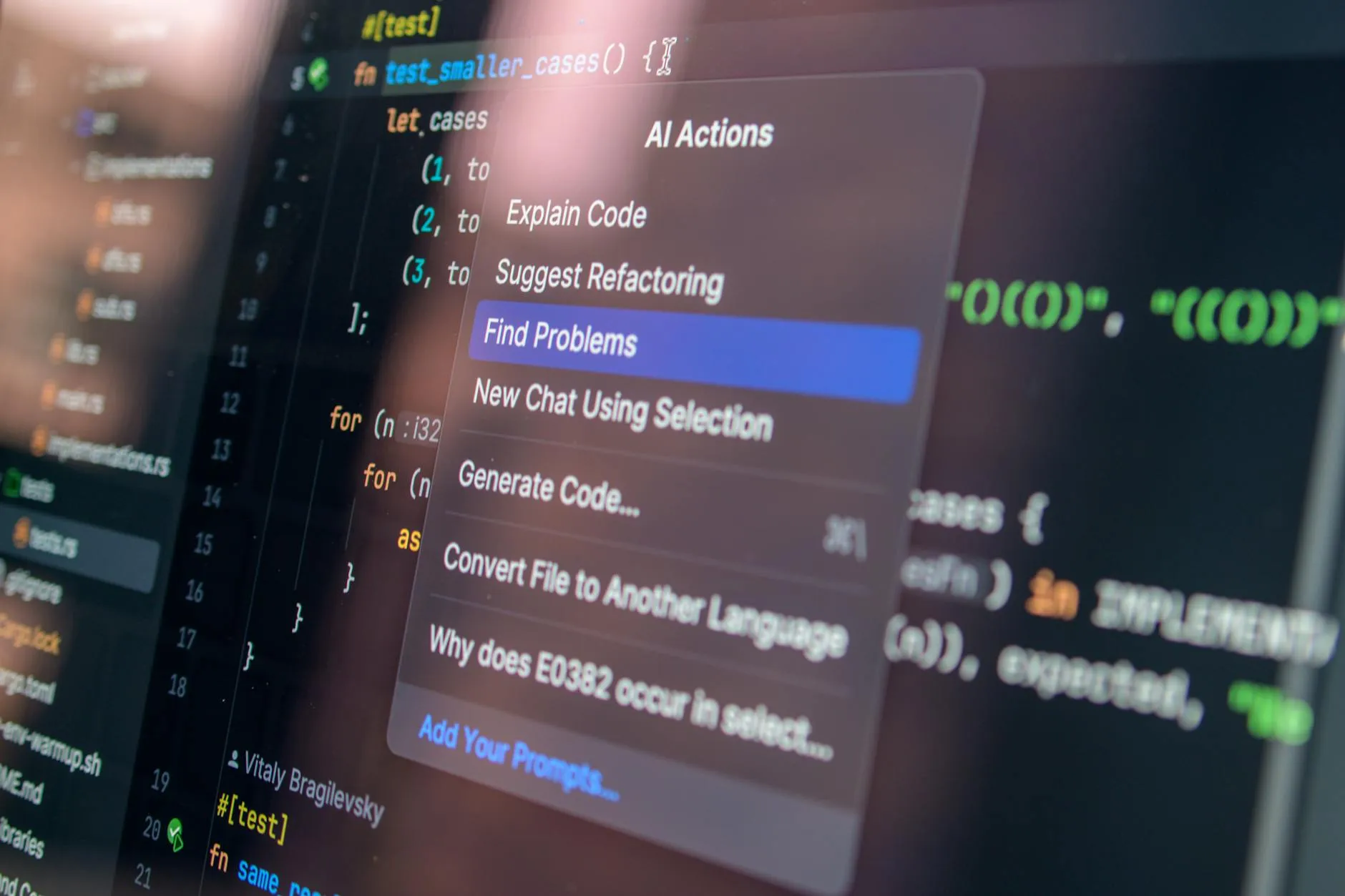
Looking to switch from Cursor? We tested 10 AI coding tools — from Claude Code and Windsurf to Zed and Kilo Code — and ranked them by agentic power, pricing, context handling, and real-world developer experience.

The new /advisor command in Claude Code introduces a breakthrough multi-model strategy. By pairing Sonnet as an executor with Opus as a strategic architect, developers can achieve high-tier agentic coding with 80% lower costs. Here is how it works.
Claude Opus 4.7 launched April 16, 2026 with major coding upgrades, 3.75MP image support, and a new xhigh effort tier. But a silent tokenizer change makes it up to 35% more expensive than the sticker price. Full breakdown inside.
OpenAI just dropped a massive Codex update on April 16, 2026: background computer use on macOS, memory across sessions, 90+ new plugins, an in-app browser, and image generation. Here's an honest developer review of what actually works — and what to watch out for.

Tired of Calendly's rising prices and locked features? Here are the 5 best Calendly alternatives in 2026 — including a powerful open-source option that puts you fully in control.

Microsoft launched MAI-Image-2-Efficient on April 14, 2026 — a faster, cheaper version of MAI-Image-2 positioned as a production workhorse for batch image generation pipelines. Here's what developers actually need to know: the real strengths, the Azure lock-in risk, and how it stacks up against DALL-E 3, Flux Pro, and Stable Diffusion 3.5.
Google Gemma 4 launched April 2, 2026 — four model sizes (E2B to 31B Dense), Apache 2.0 license, multimodal, 256K context, and #3 on the open model leaderboard. But the community found JSON bugs, hidden feature removals, and local deployment landmines. Here is the complete honest review.
A comprehensive guide to OpenClaw — the open-source AI agent orchestration platform. Learn how to self-host a persistent, memory-aware AI agent with multi-model support, cron scheduling, Discord/Telegram integration, and a skills ecosystem. Includes setup walkthrough, architecture breakdown, cost analysis, and real-world use cases.

Google is building the complete AI pipeline from design to deployment. Stitch 2.0 generates UI from prompts, Antigravity codes it autonomously. But there's a catch — quota controversies, trust issues, and a chmod 777 incident. Here's everything you need to know.

We tested Sora, Runway Gen-3, Kling 1.6, Pika 2.0, Luma Dream Machine, and Google Veo 2 across output quality, speed, pricing, and developer API access. Here's the definitive comparison of the best AI video generators in 2026.

A comprehensive deep dive into Claude Managed Agents — Anthropic's hosted agent execution environment (public beta, April 2026). Covers the brain/hands architecture, full API walkthrough, real-world pricing, and when to use Managed Agents vs. building your own agent loop.

Explore the definitive 2026 comparison of Generative UI leaders: v0.dev, Bolt.new, and Lovable. Learn which AI tool wins for component precision, full-stack orchestration, and aesthetic design in the era of Vibe Coding.
Looking for a cheaper, more flexible way to host your Next.js apps? We compare the top 5 Vercel alternatives in 2026, from zero-config platforms to self-hosted solutions.

Chatbase vs Galaxy.ai — a practical comparison to choose the right AI chatbot platform for production or experimentation.
A hands-on comparison of the 7 best AI code editors in 2026 — Cursor, Claude Code, GitHub Copilot, Windsurf, Zed, Void, and Augment. Real benchmarks, pricing, and verdict for frontend developers.
A practical guide to Next.js 16.2 adapter API: write once, deploy anywhere, and avoid vendor lock-in.

OpenAI’s recent switch to token-based credits for Codex changes how we pay for AI-assisted development. This guide explains the practical steps frontend engineers can take to reduce costs, optimize prompts, and adapt CI/CD workflows for AI tools.
Set CLAUDE_CODE_NO_FLICKER=1 to stop terminal flashing in Claude Code. This definitive guide covers all Claude Code environment variables for terminal UX, including no-flicker mode, color settings, and building a high-performance AI-agent development environment.

Slopsquatting is the latest security threat for AI-assisted frontend developers. Learn how to protect your Next.js project from AI-hallucinated malicious npm packages using AGENTS.md and verification scripts.

Cursor 3 has officially launched, shifting the paradigm from AI autocompletion to autonomous coding agents. We explore the new Agents Window, parallel execution, and how to adapt your workflow to this new era of software development.
A practical guide to using Galaxy.ai as a developer's daily driver — from code generation and debugging to design assets and documentation, all from a single workspace.
Master prompt engineering: zero-shot, few-shot, chain-of-thought, structured output, system prompts, and context engineering with practical code examples.
Next.js 16.2 introduces Agent DevTools, browser log forwarding, and AGENTS.md — giving AI coding agents the ability to see, debug, and understand your frontend applications in real time.

Learn how Railway Environments let you spin up isolated staging environments, preview deployments per Git branch, and attach zero-config Postgres or Redis — no YAML, no DevOps headaches. With real config examples.
The definitive 2026 comparison of React state management: Zustand vs Redux Toolkit vs Jotai vs TanStack Query. Real benchmarks, bundle sizes, and clear guidance on which library to pick for every project type.
TypeScript 6.0 is the last JavaScript-based release before the Go rewrite in 7.0. Here's everything that changed, what breaks, and how to migrate your Next.js and React projects smoothly.
A production-focused deep dive into Next.js API route security: rate limiting with Upstash Redis, CORS configuration, SQL injection prevention with Prisma, XSS mitigation in Server Actions, secrets management with Doppler and Vault, input validation with Zod, and OWASP Top 10 mapping for Next.js applications.
A deep dive into implementing dark mode correctly in Next.js and Tailwind CSS — covering CSS custom properties architecture, system preference detection, localStorage persistence, and fixing the SSR hydration flicker with a blocking script and next-themes.
A practical deep dive into building a scalable, themeable design system using Tailwind CSS and Radix UI primitives — shared across micro-frontends via npm packages and Module Federation. Covers design tokens, shared Tailwind config, headless component layers, API design, versioning, and multi-theme support.

Not sure whether to deploy on Cloudflare Workers, AWS Lambda, or a Docker container? This deep dive breaks down Edge, Serverless, and Container deployments with real latency numbers, cold start comparisons, cost analysis, and a practical decision framework for frontend engineers.
A real-world deep dive into optimizing Core Web Vitals on a production Next.js 14 app — from a PageSpeed score of 60 to 95. Covers LCP, INP, CLS diagnostics, next/image, next/font, bundle splitting, ISR vs SSG, and React 18 performance patterns with before/after metrics.
Learn how to build a production-grade Retrieval-Augmented Generation (RAG) system using Next.js App Router and TypeScript. This deep dive covers embedding models, chunking strategies, pgvector and Pinecone setup, semantic search, hybrid retrieval, and streaming LLM responses — everything you need to ship a real-world RAG app.
Learn how to use Vercel's open-source JSON-Render framework to let AI models generate type-safe, streaming React UIs from natural language prompts. Includes practical code examples, Zod schemas, and production patterns.
Master every Claude Code environment variable, from CLAUDE_CODE_NO_FLICKER to model selection, proxy settings, and the full settings.json hierarchy. The definitive reference for frontend developers.

Master the Vercel AI SDK v4+ in 2026 — from streaming chat interfaces and tool calling to RAG pipelines and multi-provider LLM integration, this comprehensive guide covers everything you need to ship production-grade AI web apps.
Anthropic accidentally leaked Claude Code's entire source via an npm source map. Here's what 1,900 TypeScript files teach us about building production AI coding assistants — from tool registries and permission systems to the ULTRAPLAN orchestration pattern.

A practical step-by-step guide to deploying a production Node.js application on a DigitalOcean Droplet with Nginx as a reverse proxy, PM2 for process management, and a free Let's Encrypt SSL certificate.

Your English-speaking counterpart just ran the same AI prompt as you — and paid 40% less. This isn't a bug. It's baked into how every major LLM tokenizer works. Here's the math, the code, and what you can actually do about it.
Anthropic accidentally shipped a readable .map file in its Claude Code npm package, exposing the full CLI source code. The leak revealed anti-distillation fake tools, an undercover mode that hides AI authorship, frustration-detection regex, and more.

Developers are burning $200+/month across ChatGPT Plus, Claude Pro, Midjourney, and more. Galaxy.ai offers 3,000+ AI tools — including those exact services — for $15/month. Here's an honest look at whether it actually delivers.

A technical deep dive into Microsoft VibeVoice — the open-source voice AI family featuring VibeVoice-ASR (60-min single-pass speech recognition) and VibeVoice-TTS, powered by next-token diffusion and continuous speech tokenizers.
Vibe coding is reshaping how developers build frontend — not by replacing engineering judgment, but by accelerating the path from idea to working UI. This deep dive covers what vibe coding actually is, the tools powering it (Cursor, Claude Code, v0, Lovable), real workflow examples, honest limitations, and where frontend development is heading next.
Dub.co is an open-source, developer-first link shortener with analytics, custom domains, and a powerful API. Here's a full review and tutorial for integrating it into your Next.js app.
A comprehensive deep dive comparing NextAuth v5 (Auth.js), Clerk, Auth0, and self-built authentication in Next.js 2025. Covers setup complexity, cost at scale, JWT vs database sessions, App Router integration, middleware, social OAuth, MFA support, and real code examples for each approach.

A concrete dollar-by-dollar breakdown of SaaS vs self-hosted infrastructure costs at 0, 1K, 10K, and 100K users — covering auth, database, storage, email, analytics, and the hidden costs no pricing page mentions.

A comprehensive deep dive into technical SEO for Next.js App Router — covering the Metadata API, JSON-LD structured data (Article, BreadcrumbList, FAQ), hreflang with alternates, dynamic sitemaps, ISR vs SSG trade-offs, robots.txt, canonical URLs, and dynamic OG images with next/og.

A practical, honest roadmap for monetizing a developer blog through affiliate programs (DigitalOcean, Supabase, Vercel, Railway, Lemon Squeezy), newsletter sponsorships, and digital products — with real revenue math and traffic milestones.

A deep dive into building smooth, jank-free animations with Framer Motion — covering the browser rendering pipeline, GPU compositing, layout thrashing, the layout prop gotchas, AnimatePresence, useMotionValue, useTransform, and React 18 concurrent mode integration with real performance measurement techniques.
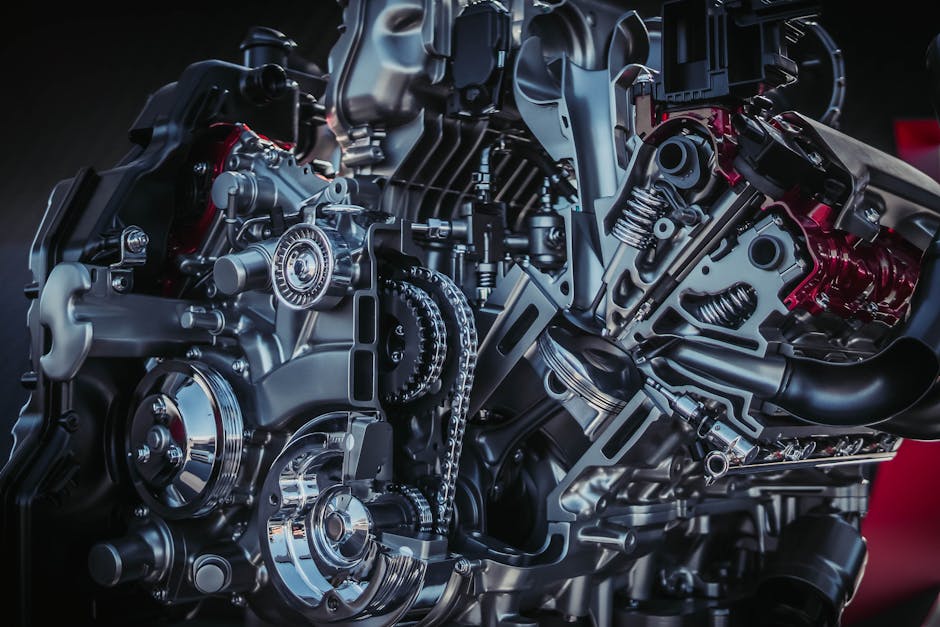
A deep dive into Turbopack's incremental computation engine, Rust-based architecture, and function-level memoization — exploring why it outperforms Webpack by up to 24×, real benchmark numbers, current limitations like missing Module Federation support, and how to enable it in Next.js today.

Stop duplicating code across repos. This deep dive walks through a complete production-ready Turborepo monorepo setup with pnpm workspaces, shared packages, pipeline configuration, local and remote caching, CI/CD integration, and the pitfalls that trip up real teams.
Bun is more than a fast runtime — it\'s a full rethink of the JavaScript toolchain. In this deep dive, we explore Bun\'s architecture (JavaScriptCore + Zig), benchmark comparisons against Node.js, its drop-in compatibility story, bundler capabilities, and a practical migration guide for Next.js and Vite projects.
Cloudflare built Vinext — a drop-in Next.js replacement on Vite — with AI in one week for $1,100. It delivers 4.4x faster builds, 57% smaller bundles, and one-command deploys to Workers. Here is everything you need to know.

Micro-frontends promise team autonomy and independent deployability — but do they still justify the complexity in 2025? We examine Module Federation, iframes, Web Components, shared design systems, and team topology implications with an honest trade-off analysis.

Google Stitch, launched at Google I/O 2025 and powered by Gemini 2.5 Flash/Pro, transforms text prompts, images, and hand-drawn sketches into production-ready UI designs and clean HTML/CSS code. This deep dive explores Stitch's practical workflow for React/Next.js developers, its multi-screen prototyping capabilities, and how it compares to v0.dev, Bolt, and Vercel AI tooling.

Claude Code vs Antigravity: a deep-dive comparison of 2025's top AI coding tools for frontend devs. Costs, features, real use cases, and honest pros/cons.

A practical guide to React Server Components in 2026 — covering data fetching patterns, composition rules, common pitfalls, and how to structure RSC-first Next.js apps.

An honest, hands-on comparison of Railway and Render for deploying Node.js and Next.js apps in 2026 — covering pricing, cold starts, databases, and developer experience.

Stop copy-pasting random Tailwind snippets from the internet. This tutorial walks you through building a consistent, reusable UI component system with Tailwind CSS v4, class-variance-authority, and React — the same approach used in high-scale production apps.
deno bundle is back in Deno 2.4, now with bytes/text imports, stabilized OpenTelemetry, a new --preload flag, and simplified dependency management. Here's a practical guide to what changed and why it matters for frontend engineers.
Tired of Calendly's paywall? Cal.com is the open-source, self-hostable scheduling platform built on Next.js — with webhooks, a REST API, and unlimited event types on the free tier. Here's why developers are switching.
ATProto—the open protocol powering Bluesky—is the most exciting new build surface for frontend engineers. Learn how to create decentralized social apps, work with the Lexicon type system, and ship your first ATProto app with TypeScript in under an hour.

Step-by-step guide to building a fully functional AI chatbot for your website using Chatbase — no backend, no LLM API keys to manage, just embed and go. Includes Next.js integration code and real-world customization tips.

CSS Grid Lanes — the new native masonry layout for the web — has landed in Safari 26 and is coming to Chrome/Firefox. Learn how it works, when to use it, and how to write the code today with progressive enhancement.

A practical comparison of Railway and Render for deploying Node.js and Next.js apps in 2026 — covering pricing, cold starts, DX, and real configuration examples to help you choose the right platform.

The catalysts for an AI market correction are already in place. But for frontend developers, the real question is not whether the bubble bursts — it is what survives.

Cloudflare just opened its Client-Side Security tools to all users with a new cascading AI detection system that combines graph neural networks and LLMs — reducing false positives by 200x while catching zero-day exploits.

Everyone complaining that MCP is overengineered and unreliable is right — but for the wrong reasons. Here is the distinction nobody is making about when MCP actually works.

A practical guide to Next.js performance optimization in 2026. Covers React Server Components, caching strategies, image optimization, bundle splitting, and Vercel Edge deployment for maximum Core Web Vitals scores.

Boost your React workflow with these practical Cursor AI editor tricks. From generating components to AI-powered refactoring, learn how to ship React apps faster with Cursor.
A complete walkthrough of building a production-ready full-stack Next.js 16 app using Claude Code — from project setup and Server Components to database integration, API routes, and Vercel deployment. Real code, real workflow.
Most React developers barely scratch the surface of Cursor's capabilities. Here are 7 battle-tested cursor tips for React projects — from Composer-based component generation to .cursor/rules enforcement — that will genuinely change how fast you ship.

Biome is 10-50x faster than ESLint and handles both linting and formatting. Learn how it compares, what you give up, and whether migrating makes sense for your project.
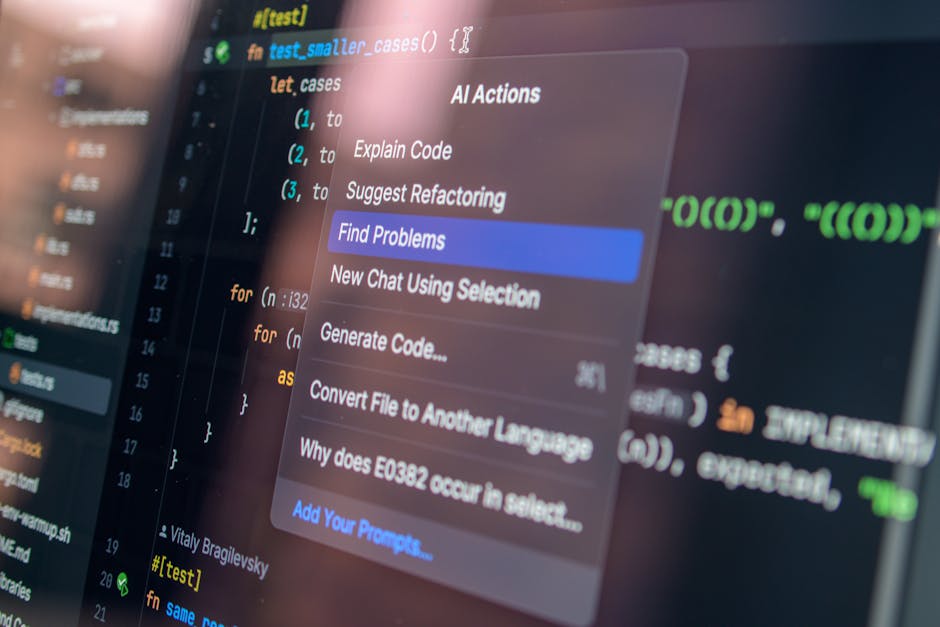
Getting AI to generate quality UI components requires specific prompt patterns. Learn the structures, constraints, and context that produce production-ready component code.
Build a semantic search feature that understands meaning, not just keywords. Learn to generate embeddings with the Vercel AI SDK and query them with pgvector for intelligent search results.
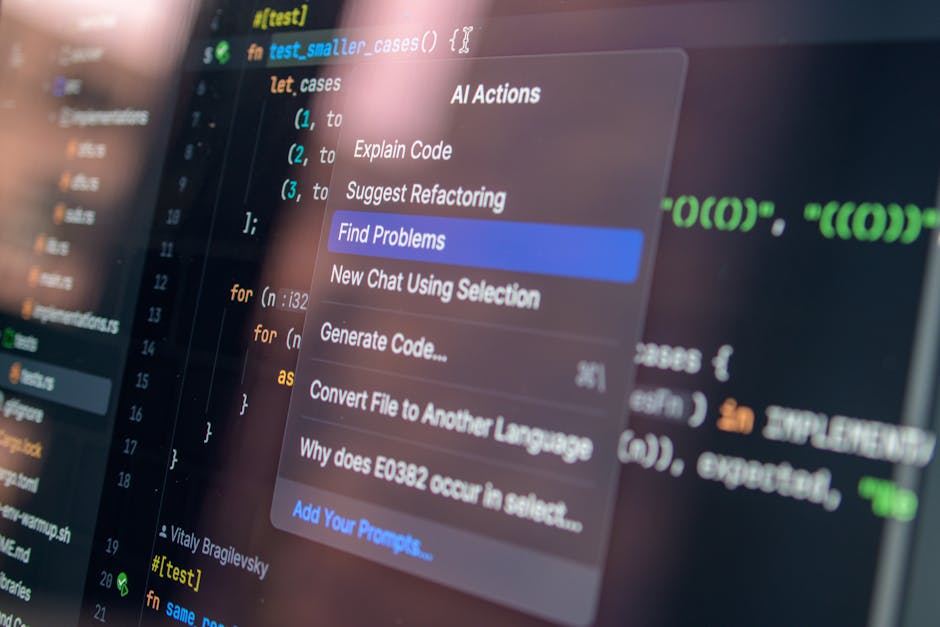
Learn how to use AI coding assistants to diagnose and fix React performance problems in minutes instead of hours. Covers re-render detection, bundle analysis, and runtime profiling with Claude Code and React DevTools.
INP replaced FID as the core responsiveness metric. Here are battle-tested strategies to optimize Interaction to Next Paint in real-world Next.js applications.
The satisfies operator is TypeScript's most underused feature. Learn how it gives you the best of both worlds: type checking AND type inference, with practical examples you can use today.
Turborepo's intelligent caching makes monorepos fast. Learn to set up a Turborepo workspace with shared packages, understand task graphs, and optimize CI build times.

Google's INP metric is now a Core Web Vital and most sites are failing it. Here are 7 targeted fixes—scheduler.yield(), input debouncing, long task breaking, and more—that reliably bring INP under the 200ms good threshold.
A step-by-step guide to building a multi-step form wizard with React Hook Form, Zod validation, and Next.js Server Actions.

CLAUDE.md is a project instructions file that tells Claude Code how your codebase works. A well-written CLAUDE.md dramatically improves AI coding assistance quality. Here's the template.
Add intelligent autocomplete to your forms using streaming AI suggestions. Learn to build a context-aware autocomplete that understands what users are trying to fill in.

pnpm workspaces use symlinks and a content-addressable store to save disk space and speed up installs. Learn workspace protocols, filtering, and sharing packages across your monorepo.
Large JavaScript bundles kill performance. Learn tree-shaking, code-splitting, and modern bundler tricks to dramatically reduce what you ship to users.
A complete guide to configuring Claude Code for Next.js monorepos with Turborepo. Learn how to set up CLAUDE.md files, project-scoped rules, custom commands, and workspace-aware prompting for maximum productivity.
A step-by-step walkthrough of auditing and shrinking a bloated Next.js bundle — from 420KB to 168KB gzipped — using real tools and techniques.
Conditional types are one of TypeScript's most powerful features, yet most developers only scratch the surface. Here are battle-tested patterns you can apply in production code today.
The system prompt is the most powerful lever in AI code generation. Learn how to write system prompts that enforce your coding standards and produce consistent, production-ready code.
Chatbase lets you build a custom AI chatbot trained on your own content. Learn how to integrate it into a Next.js app with a custom UI and conversation persistence.
Playwright Component Testing mounts real components in a real browser for testing. Learn how it differs from jsdom-based testing, when to use it, and how to write effective component tests.
The React DevTools Profiler reveals exactly which components are slow and why. Learn to read flame graphs, spot unnecessary re-renders, and prioritize what to fix.

Vercel's free tier is generous, but costs escalate fast. Here's a transparent cost comparison with DigitalOcean App Platform for real-world Next.js deployments at different traffic levels.
How to use React Suspense boundaries and streaming SSR to dramatically improve perceived performance in Next.js applications.
Chain-of-thought prompting dramatically improves AI refactoring quality. Learn to structure prompts that guide the AI through analysis before making changes — getting safer, better refactors.
Retrieval Augmented Generation (RAG) lets an AI answer questions about your specific content. Build a docs chatbot that cites sources and stays grounded in your actual documentation.
Most React performance problems are caused by unnecessary re-renders. Learn to use the React DevTools Profiler to identify and eliminate them quickly.
Template literal types let you manipulate strings at the type level. Learn how to build auto-completing route params, CSS utility types, and event handler signatures with zero runtime cost.

Vitest is Jest-compatible but runs on Vite's native ESM pipeline — making it 10-20x faster for most projects. Learn how to migrate without breaking your test suite.

Most teams use next/image wrong. This guide reveals 8 advanced techniques—including priority hints, sizes attribute tuning, placeholder blurs, and remote patterns—that dramatically improve your Core Web Vitals and cut LCP in half.

A practical comparison of v0.dev, Bolt, and Lovable for generating React UI components in 2026. We test each tool on the same design tasks to find which produces the most production-ready code.
AI models know accessibility guidelines but don't apply them unless prompted. Learn the specific prompts and constraints that produce genuinely accessible component code.
The useChat hook from the Vercel AI SDK handles streaming, message history, and state management for AI chat. Learn all its options and patterns for building production chat interfaces.
The definitive migration guide for TanStack Query v6. Covers every breaking change, renamed hooks, new devtools setup, and SSR patterns—with before/after code examples so you can migrate your React app without surprises.

Railway makes deploying full-stack Next.js apps with databases trivially easy. This step-by-step guide covers deployment, environment variables, PostgreSQL setup, and production optimization.

The next/image component handles the basics, but real-world image optimization requires understanding formats, sizing strategies, and loading patterns.

Git worktrees let you check out multiple branches at once in separate directories. Stop stashing and switching — learn how worktrees make parallel development effortless.
Beyond map, filter, and reduce — discover the array methods that will make your code cleaner, faster, and more expressive. Includes groupBy, findLast, toSorted, and more.

Complex TypeScript generics and utility types are where AI coding assistants truly shine. Learn the prompts that produce correct, well-documented type definitions for your hardest typing challenges.
Streaming makes AI responses feel instant by showing text as it generates. Learn the three patterns for streaming AI in React — from simple to advanced — and when to use each.
The right VS Code extensions can dramatically improve your productivity. Here are the must-have extensions for frontend developers in 2026, from AI assistants to debugging tools.
A practical guide to Claude Code hooks for frontend developers. Learn to automate linting, testing, deployment checks, and code generation tasks with pre-commit, post-save, and custom event hooks.
Edge Runtime promises lower latency by running code closer to users. But it comes with real constraints. Here's a practical guide to making the right runtime choice.
The right extensions make VS Code a supercharged IDE. Here are the extensions that genuinely improve frontend productivity in 2026 — no fluff, just tools that earn their place.

A practical breakdown of every lazy loading technique available in modern React and Next.js—intersection observer, dynamic imports, route-based splitting, and native browser lazy—with performance benchmarks to show what actually moves the needle.

A practical comparison of Astro 5 and Next.js 15 for content sites, web apps, and everything in between — with clear decision criteria.

AI assistants are only as good as their understanding of your project. Learn systematic approaches to communicating your codebase conventions so AI always codes the way your team does.
DALL-E 3 produces stunning images from text prompts. Build a polished image generation app with prompt history, style presets, and image gallery using Next.js and the OpenAI API.
Lazy loading can hurt as much as help if done carelessly. This guide walks through 5 battle-tested patterns for lazy loading images, components, and routes in large React apps—including how to pick the right strategy for each use case.
Web Workers are powerful but painful to use raw. Comlink makes them feel like regular async functions. Learn how to offload heavy computation without janky UIs.

Railway makes deploying Node.js and Next.js apps genuinely simple. Learn to deploy, configure environment variables, set up databases, and manage production deployments.

A comprehensive guide to Next.js Server Actions — when they replace API routes, how they work under the hood, and advanced patterns.

Git worktrees let you check out multiple branches simultaneously in separate directories. Here's how this underused feature can transform your workflow for code reviews, hotfixes, and parallel development.

An honest review of Galaxy.ai after 30 days of daily use for frontend development. We test its code generation, documentation features, and team collaboration tools against established alternatives.
AI can write tests fast, but bad test prompts produce tests that pass without actually testing anything. Learn the prompts and patterns that produce meaningful, maintainable test suites.

HTTP streaming works for most AI chat, but some use cases need true bidirectional real-time communication. Learn when to use WebSockets with LLMs and how to build the infrastructure.
try-catch is blunt and loses type information. Learn Result types, exhaustive error matching, and typed error boundaries for robust TypeScript applications.

Vercel is the easiest deployment platform for Next.js, but costs can spiral for high-traffic or data-heavy apps. Compare the real costs of Vercel Pro vs DigitalOcean App Platform.

N+1 queries silently kill your app's performance. Learn 7 battle-tested Prisma optimization techniques—including query batching, select pruning, and connection pooling—that slash database load and keep your API fast under production traffic.
Smooth 60fps animations require understanding the browser rendering pipeline. Learn which CSS properties are safe to animate and which ones destroy performance.
The first AI response is rarely production-ready. Master the iterative prompting techniques that close the gap between initial output and code you can ship with confidence.
Cal.com's API lets you embed scheduling directly into your product. Learn to create booking flows, sync availability, and handle webhooks for a seamless scheduling experience.

How to build fully type-safe API route handlers in Next.js using Zod for runtime validation that syncs with your TypeScript types.

Discriminated unions are the most underappreciated pattern in TypeScript. Learn how they eliminate impossible states, simplify complex logic, and make your code self-documenting.

Vitest has matured into a serious Jest alternative with native ESM support and Vite-powered speed. Here's an honest comparison to help you decide whether migration is worth it.
Battle-tested prompt templates for generating production-ready React components with AI. Learn the CRAFT framework for writing prompts that produce TypeScript-strict, accessible, and well-structured components on the first try.

A well-configured GitHub Actions pipeline catches bugs before production, automates deployments, and maintains code quality without manual work. Build the complete frontend CI/CD pipeline.

A perfect Lighthouse score is achievable with the right architecture. Learn the specific techniques that move each metric from yellow to green — and how to prevent regressions.

Prisma makes database access easy, but easy doesn't mean fast. Learn how to identify slow queries, use select/include strategically, and avoid the N+1 trap.

AI-enhanced forms can adapt questions based on answers, auto-fill from context, and validate intelligently. Learn to build smart forms with Fillout and custom AI logic in Next.js.
How React 19 Actions and useActionState replace the verbose useReducer pattern for form handling and async state management.

ECMAScript 2026 is packed with features that change how you write JavaScript. From Iterator Helpers to Record and Tuple, here is what is landing and how to use it today.
Playwright isn't just for full-page E2E tests anymore. Learn how to use Playwright's component testing to test React components in a real browser with real rendering — no jsdom required.
React Suspense with streaming SSR lets you send HTML progressively, improving perceived performance. Learn how to combine Server Components, Suspense, and streaming to dramatically reduce TTFB.
Long AI coding sessions lose coherence as context windows fill. Learn to manage context strategically — what to include, what to summarize, and when to start a fresh session.

A practical comparison of Zustand, Jotai, and Redux Toolkit — bundle size, DX, performance, and when to pick each one.

Getting a perfect Lighthouse score isn't magic. It's a systematic process of eliminating render-blocking resources, optimizing assets, and fixing accessibility gaps.

Step-by-step: build a production-ready streaming AI chatbot with Vercel AI SDK 4 and Next.js 16 App Router. Covers real-time token streaming, persistent message history, error handling, and rate limiting.
TC39 decorators are now stable in TypeScript 5.0+. Learn how to use class, method, and field decorators with practical examples for logging, validation, and dependency injection.

pnpm workspaces are faster and leaner than npm or yarn equivalents, but the setup trips people up. This hands-on guide covers workspace linking, shared deps, version control strategies, and publishing flows so your monorepo just works.

React Suspense with streaming SSR lets you send HTML progressively instead of waiting for all data. Here's how to implement it in Next.js for dramatically faster page loads.
After a year of App Router in production, these 8 patterns consistently separate fast Next.js apps from slow ones: parallel routes, intercepting routes, streaming layouts, server action patterns, and more—with real code examples.

Turborepo is the fastest way to manage multiple packages in one repo—if you set it up right. This definitive 2026 guide covers workspace config, caching strategy, task pipelines, and remote caching so your monorepo stays fast as it grows.

Supercharge your Cursor AI experience with these 10 essential .cursorrules configurations for React and Next.js projects. Copy-paste ready rules that enforce TypeScript strict mode, component patterns, and testing conventions.
Stringly-typed event emitters are a bug magnet. Learn how to build a fully type-safe event system using TypeScript generics, mapped types, and discriminated unions.

RSC hype is real, but so is the confusion. This guide cuts through the noise with concrete rules: use RSCs for data fetching, avoid them for interactivity, and understand the waterfall pitfalls that trip up even experienced Next.js developers.

Biome is rewriting the rules of JavaScript tooling. Here's how it compares to ESLint in speed, configuration, and developer experience — and whether you should make the switch in 2026.
A hands-on comparison of Claude Code, GitHub Copilot, and Cursor for frontend development in 2026. We test real React/Next.js workflows to find which AI coding assistant actually ships features faster.