Hacker News Show HN
10 articles

Rethinking open source mentorship in the AI era
GitHub's Abigail Cabunoc Mayes argues that open source mentorship models must adapt to the rise of artificial intelligence in software development. As AI tools reshape how code gets written, the industry must reconsider how experienced developers guide newcomers and what skills remain most valuable in an increasingly automated landscape. ---

How Squad runs coordinated AI agents inside your repository
Squad is a framework that enables multiple AI agents to work together seamlessly within a codebase by providing coordination, context-sharing, and task orchestration capabilities. The system manages inter-agent communication and supports both sequential and parallel execution patterns, making it suitable for complex development tasks like coordinated code reviews, large-scale refactoring, and automated documentation. By integrating with GitHub workflows, Squad simplifies the deployment of multi-agent AI systems in repository environments.

Investing in the people shaping open source and securing the future together
See how GitHub is investing in open source security funding maintainers, partnering with Alpha-Omega, and expanding access to help reduce burden and strengthen software supply chains. The post Investing in the people shaping open source and securing the future together appeared first on The GitHub Blog.

GitHub for Beginners: Getting started with GitHub Actions
GitHub Actions is a crucial automation tool for modern developers, and Kedasha, a Developer Advocate at GitHub, shares her expertise to help newcomers learn and implement these workflows effectively. Her experience-driven approach to tech education emphasizes accessibility and practical application for developers at any skill level.

Continuous AI for accessibility: How GitHub transforms feedback into inclusion
GitHub is using AI and continuous feedback loops to strengthen accessibility across its platform, positioning inclusion as an ongoing development priority rather than an afterthought. By combining accessibility expertise with machine learning and developer education, the company aims to eliminate barriers for all developers and inspire the broader tech community to build more inclusive products.

GitHub availability report: February 2026
GitHub reported six incidents in February 2026 that led to reduced performance across its services. The company documented these disruptions in its monthly availability report, tracking the platform's reliability and service quality metrics throughout the month.

Addressing GitHub’s recent availability issues
GitHub's Chief Technology Officer Vladimir Fedorov, drawing on extensive experience from leadership roles at Meta, Microsoft, and his own startup, is addressing the platform's recent availability issues. With a proven track record managing large-scale engineering teams and a commitment to developer-first principles, Fedorov is positioned to guide the company through these technical challenges.

The era of “AI as text” is over. Execution is the new interface.
The focus of AI development has shifted from discussing theoretical capabilities to emphasizing practical execution and real-world application. Rather than celebrating what AI can generate in text form, the industry now prioritizes AI systems that integrate seamlessly into development workflows and deliver measurable results. Success in this new era depends on reliability and tangible impact rather than impressive demonstrations.
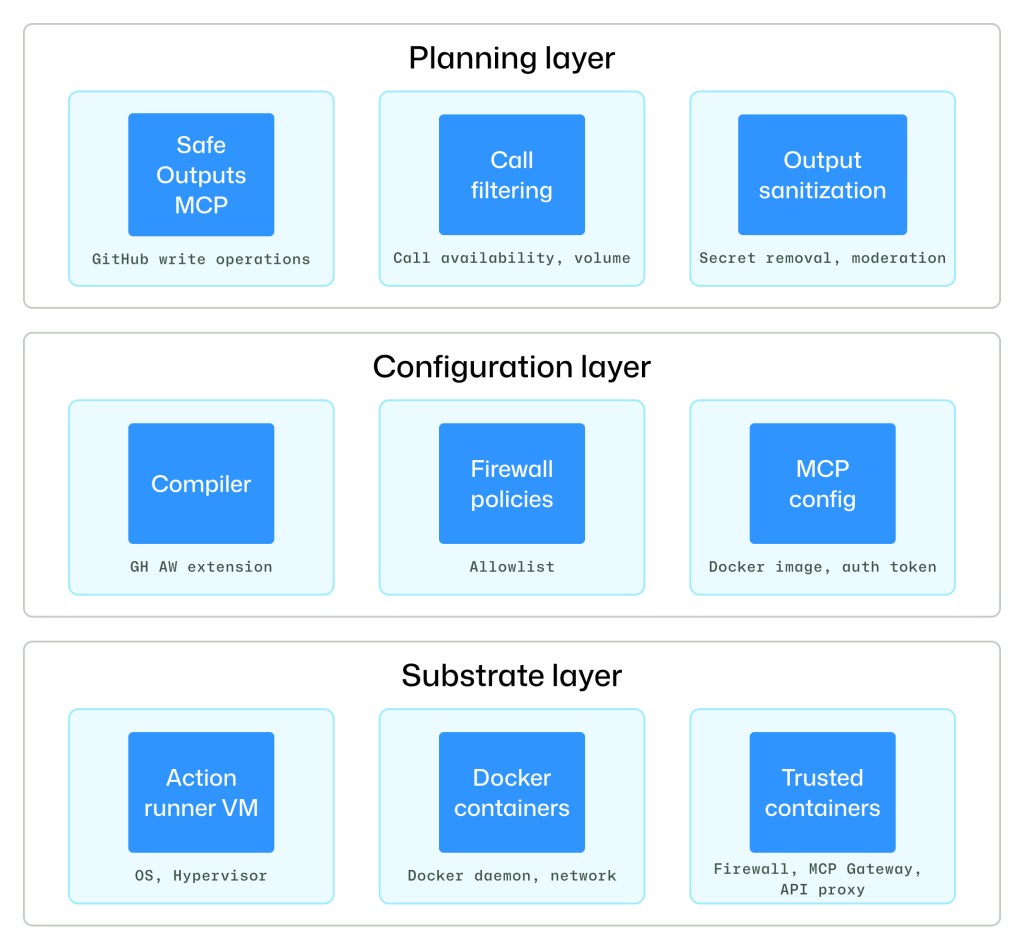
Under the hood: Security architecture of GitHub Agentic Workflows
GitHub Agentic Workflows are built with isolation, constrained outputs, and comprehensive logging. Learn how our threat model and security architecture help teams run agents safely in GitHub Actions. The post Under the hood: Security architecture of GitHub Agentic Workflows appeared first on The GitHub Blog.
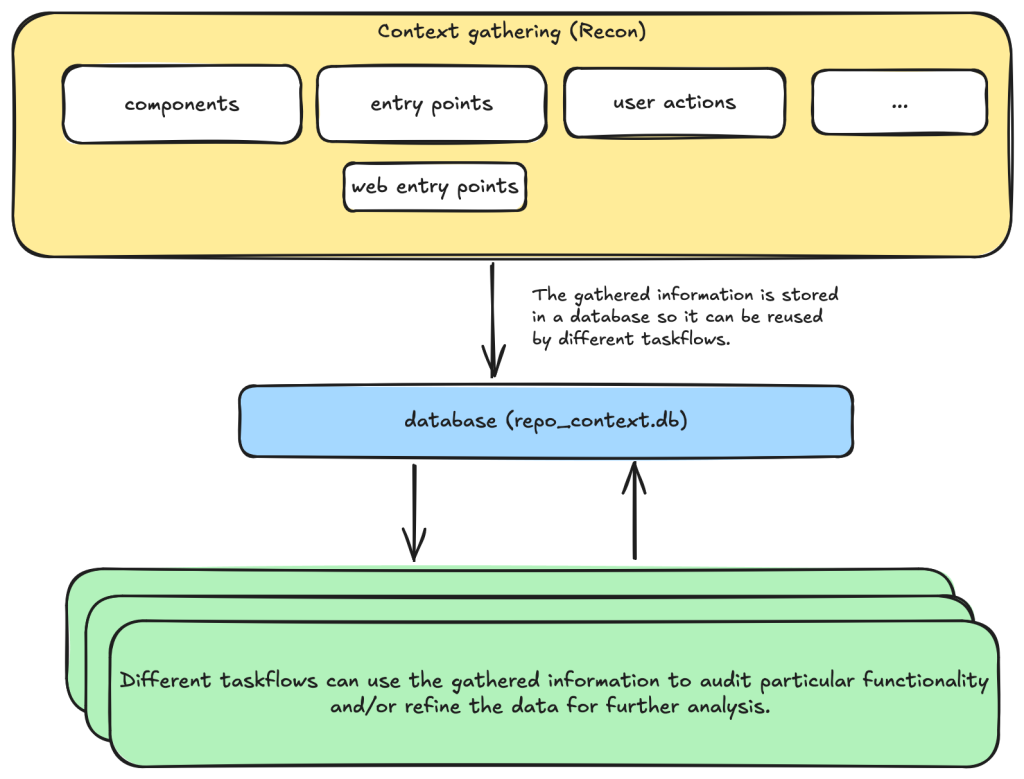
How to scan for vulnerabilities with GitHub Security Lab’s open source AI-powered framework
GitHub Security Lab has released Taskflow Agent, an open source AI-powered framework designed to automatically detect critical security vulnerabilities including authentication bypasses, IDORs, and token leaks. The tool leverages artificial intelligence to help security teams identify high-impact flaws in their codebase more effectively than traditional scanning methods.