gpt-image-2 API: ship 2K AI images in Next.js for $0.21 (2026)
OpenAI's new gpt-image-2 (Apr 21, 2026) ships 2K images with thinking mode and 8-image batches for ~$0.21 each — wire it into a Next.js server action.
22 thg 4, 20264 phút đọc
OpenAI's new gpt-image-2 (Apr 21, 2026) ships 2K images with thinking mode and 8-image batches for ~$0.21 each — wire it into a Next.js server action.
Ship a type-safe Hono v4 API backed by a Railway-provisioned Postgres database in under 10 minutes — no Dockerfile, no config files, free tier included.
Google's new gemini-3.1-flash-tts-preview adds 200+ audio tags, 70+ languages and multi-speaker output for $20/M tokens — wire it into a Next.js server action.
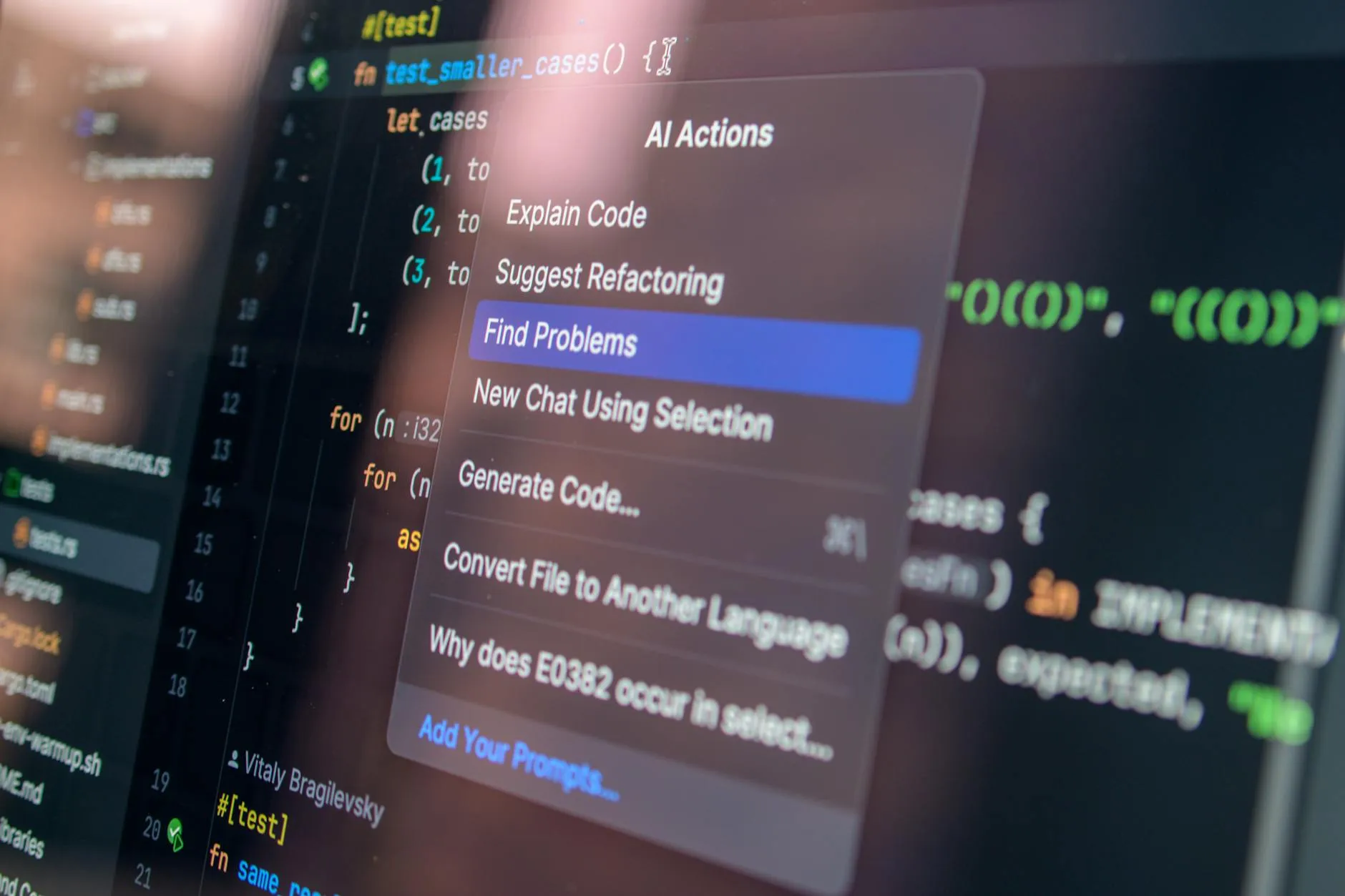
Looking to switch from Cursor? We tested 10 AI coding tools — from Claude Code and Windsurf to Zed and Kilo Code — and ranked them by agentic power, pricing, context handling, and real-world developer experience.

The new /advisor command in Claude Code introduces a breakthrough multi-model strategy. By pairing Sonnet as an executor with Opus as a strategic architect, developers can achieve high-tier agentic coding with 80% lower costs. Here is how it works.
Claude Opus 4.7 launched April 16, 2026 with major coding upgrades, 3.75MP image support, and a new xhigh effort tier. But a silent tokenizer change makes it up to 35% more expensive than the sticker price. Full breakdown inside.
OpenAI just dropped a massive Codex update on April 16, 2026: background computer use on macOS, memory across sessions, 90+ new plugins, an in-app browser, and image generation. Here's an honest developer review of what actually works — and what to watch out for.
Tired of Calendly's rising prices and locked features? Here are the 5 best Calendly alternatives in 2026 — including a powerful open-source option that puts you fully in control.
Microsoft launched MAI-Image-2-Efficient on April 14, 2026 — a faster, cheaper version of MAI-Image-2 positioned as a production workhorse for batch image generation pipelines. Here's what developers actually need to know: the real strengths, the Azure lock-in risk, and how it stacks up against DALL-E 3, Flux Pro, and Stable Diffusion 3.5.
Google Gemma 4 launched April 2, 2026 — four model sizes (E2B to 31B Dense), Apache 2.0 license, multimodal, 256K context, and #3 on the open model leaderboard. But the community found JSON bugs, hidden feature removals, and local deployment landmines. Here is the complete honest review.
A comprehensive guide to OpenClaw — the open-source AI agent orchestration platform. Learn how to self-host a persistent, memory-aware AI agent with multi-model support, cron scheduling, Discord/Telegram integration, and a skills ecosystem. Includes setup walkthrough, architecture breakdown, cost analysis, and real-world use cases.
Google is building the complete AI pipeline from design to deployment. Stitch 2.0 generates UI from prompts, Antigravity codes it autonomously. But there's a catch — quota controversies, trust issues, and a chmod 777 incident. Here's everything you need to know.